The government has introduced the Building Control Amendment Act, 2026, in a move aimed at strengthening the regulation, supervision, and enforcement of building standards across the country.
The new law replaces the Building Control Act of 2018 and gives the National Building Review Board (NBRB) expanded powers to regulate the construction sector and ensure compliance with approved standards.
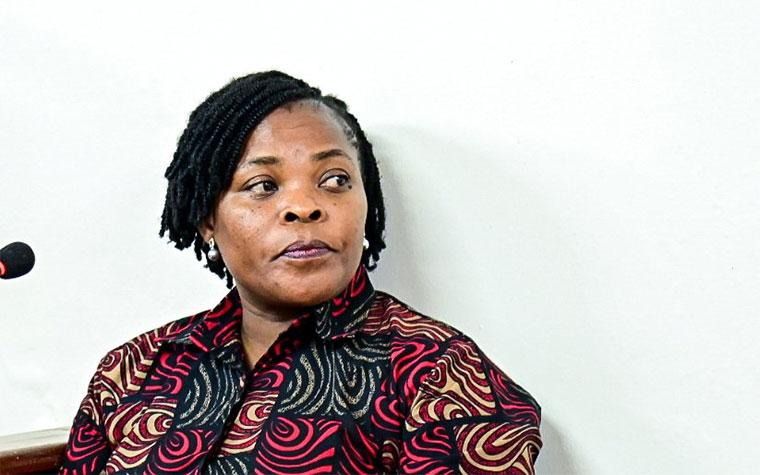
The executive secretary of the NBRB, Flavia Bwire, said the amendment comes at a time when Uganda’s construction sector is experiencing rapid growth driven by urbanisation, population increase, and infrastructure development.
She said the sector has significantly contributed to economic growth but continues to face serious challenges.
These include non-compliance with building standards, the use of unapproved construction methods, inadequate supervision, and recurring incidents of building collapse that have led to loss of life and property.
Bwire said the new law strengthens the board’s mandate under section 8 by expanding its functions and powers.
She said the amendment also introduces clear penalties for offences, enhances monitoring of construction projects, and provides for better handling of public complaints related to building works.
Under the new law, penalties for constructing buildings without permits have been significantly increased.
Offenders now face fines of up to 50 currency points, equivalent to Shs1m, or imprisonment of up to two years.
Penalties have also been raised for using prohibited construction methods or causing accidents at building sites.
Such offences now attract fines of up to 288 currency points, equivalent to Shs 10 million, or imprisonment of up to 12 years, or both.
Bwire urged the public, developers, and contractors to familiarise themselves with the new law and comply with its provisions.
She said adherence to the amended Act is critical to improving safety standards and protecting lives and property in Uganda’s fast-growing urban areas.