The Natural Chemotherapeutic Research Institute (NCRI) has called for the full operationalisation of the Traditional and Complementary Medicine Act, saying it would strengthen Uganda’s herbal medicine sub-sector and eliminate harmful practices by unregulated practitioners.
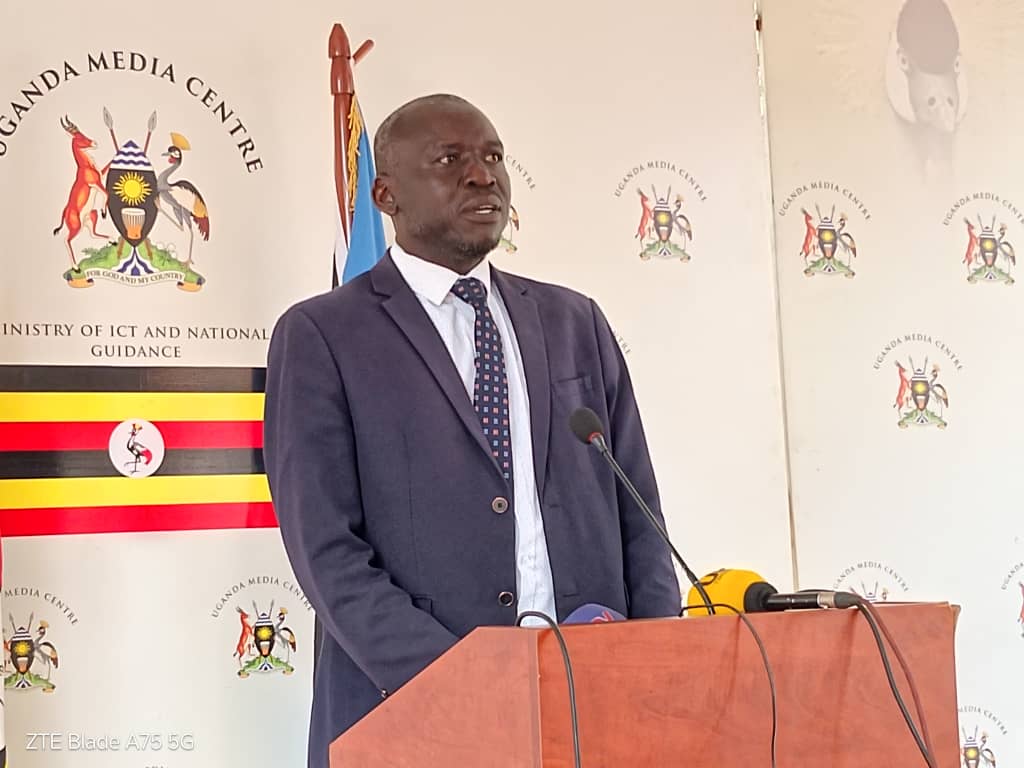
Speaking to the media at the Uganda Media Centre ahead of the Traditional Herbal Medicine Exhibition scheduled for December 16–17 at the institute’s offices in Wandegeya, Dr Francis Omujal, a senior research officer at NCRI, said the law would help streamline the sector and promote safe, evidence-based practices.
“If the Act is fully operationalised, it will help combat bad practices among herbalists and bring order to the sector,” Dr Omujal said. He added that the exhibition, which will run under the theme “Strengthening Evidence-Based Traditional Medicine,” is intended to showcase herbal medicines that are currently available on the market and promote scientific validation of traditional remedies.
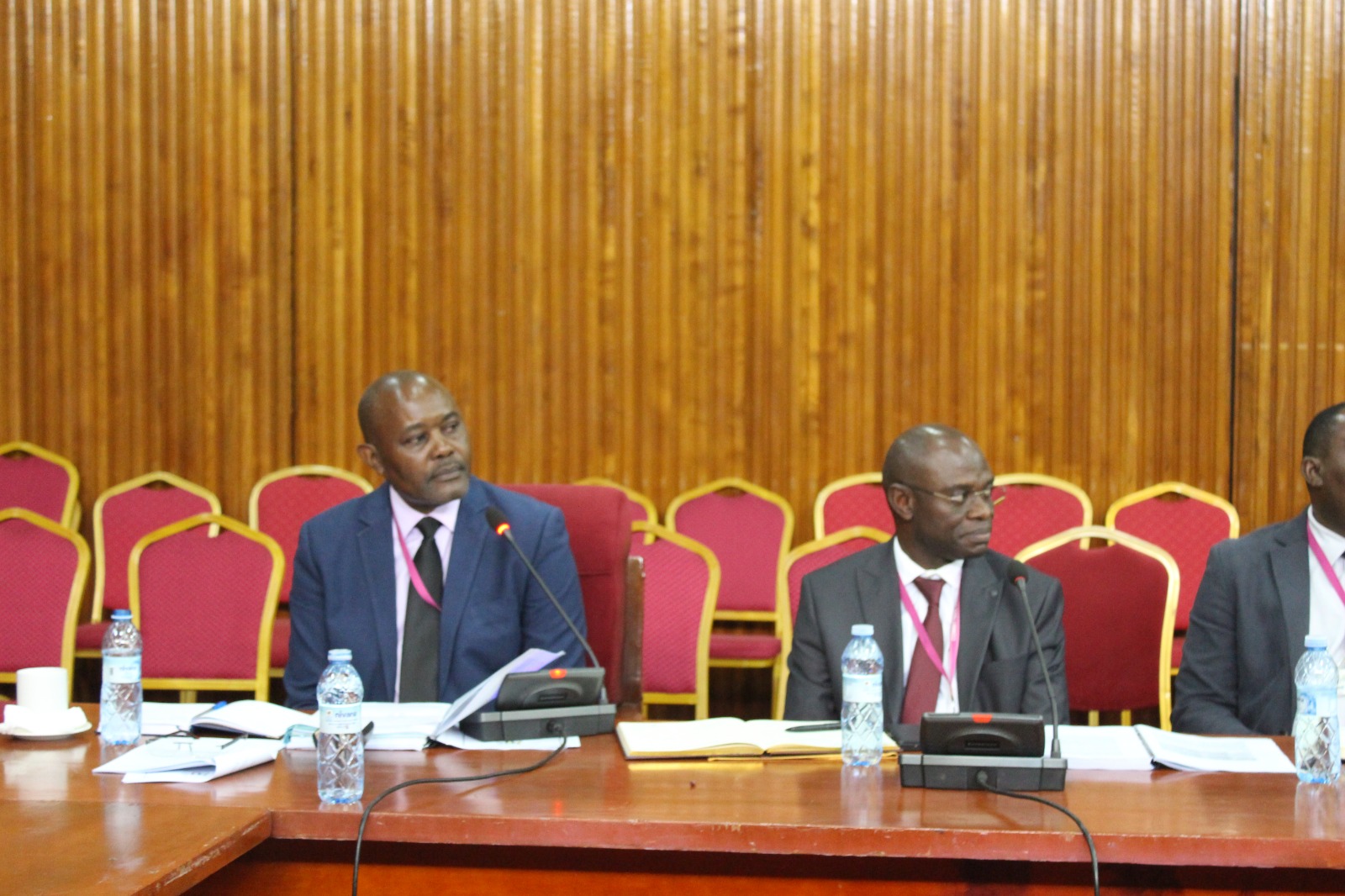
On his part, Dr Robert Balikuddembe, the clinical director at NCRI, said Uganda still faces major gaps in the regulation and clinical assessment of herbal medicine. He noted the need to establish outpatient clinics and departments dedicated to clinical trials and research to assess and validate local herbal products.
“Over 80% of the population in Uganda, and across Africa, relies on herbal medicine. As a country, we must have fully established clinics for local herbs so that people can use them with confidence and without fear or stigma,” said Dr Balikuddembe.
However, Dr Balikuddembe cautioned the public that while herbal medicine can be beneficial, improper use may pose health risks. He urged both users and dealers of herbal medicines to attend the clinics and sensitisation programmes organised by NCRI to learn about proper usage, dosage and safety.