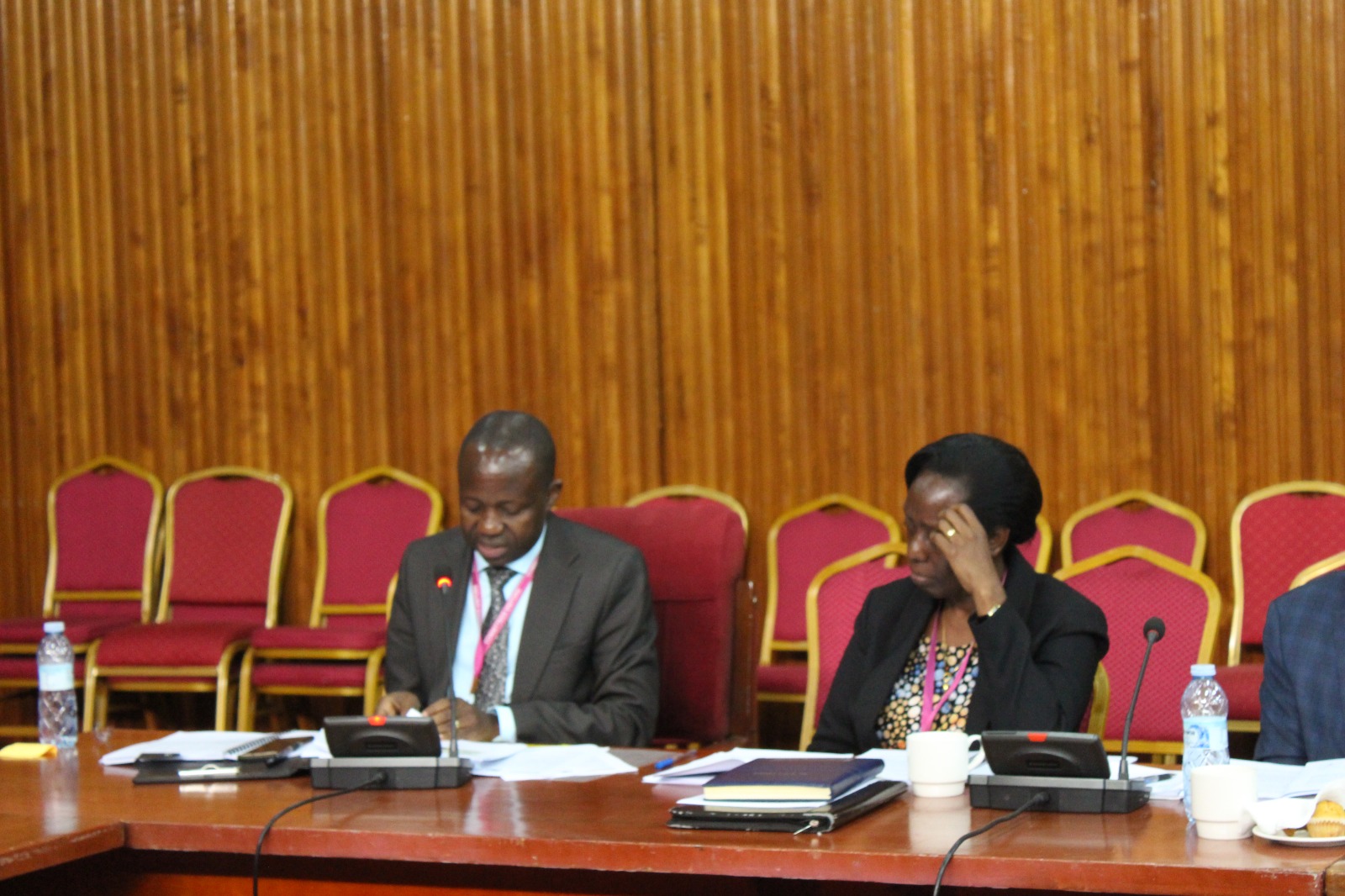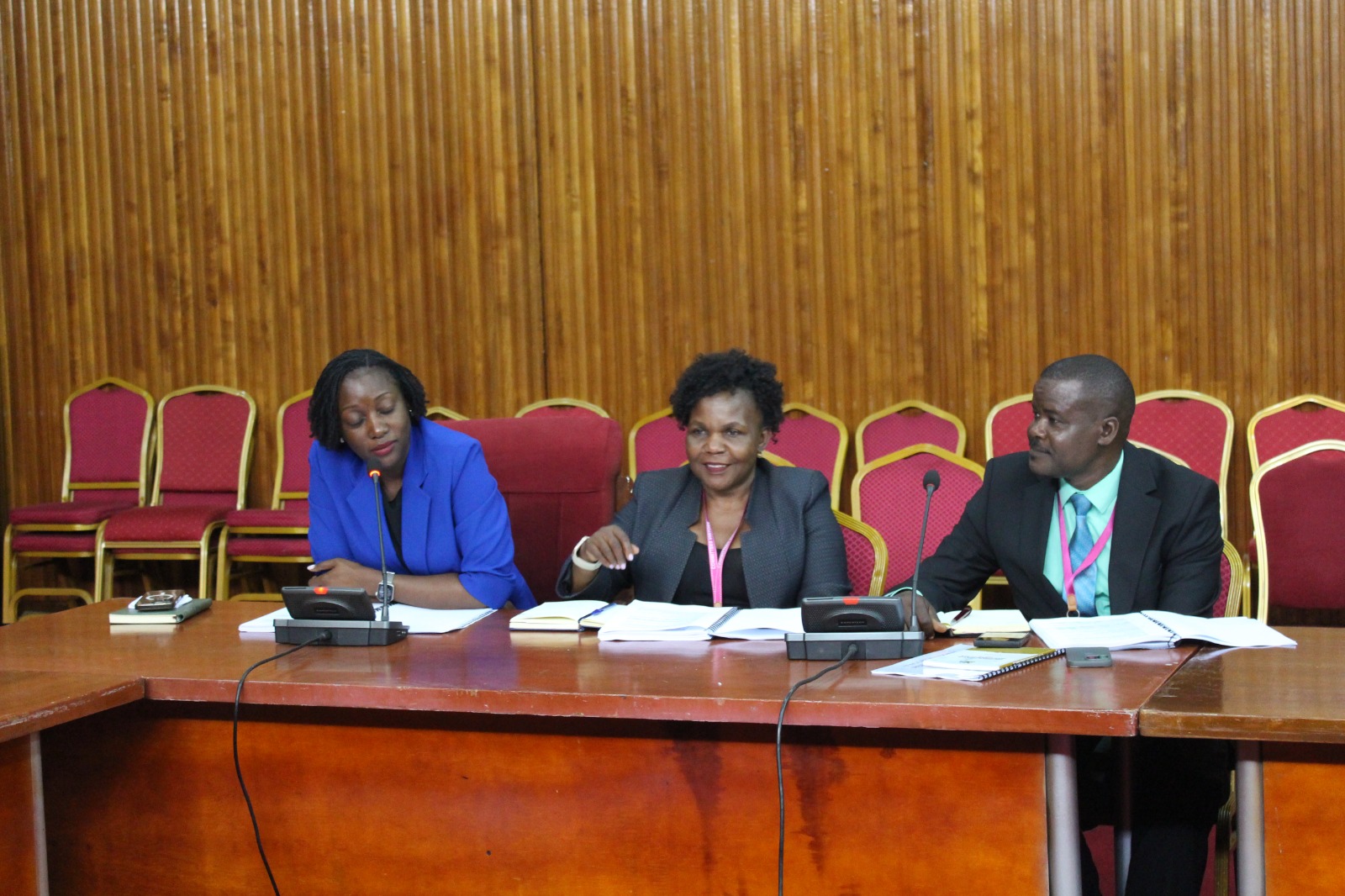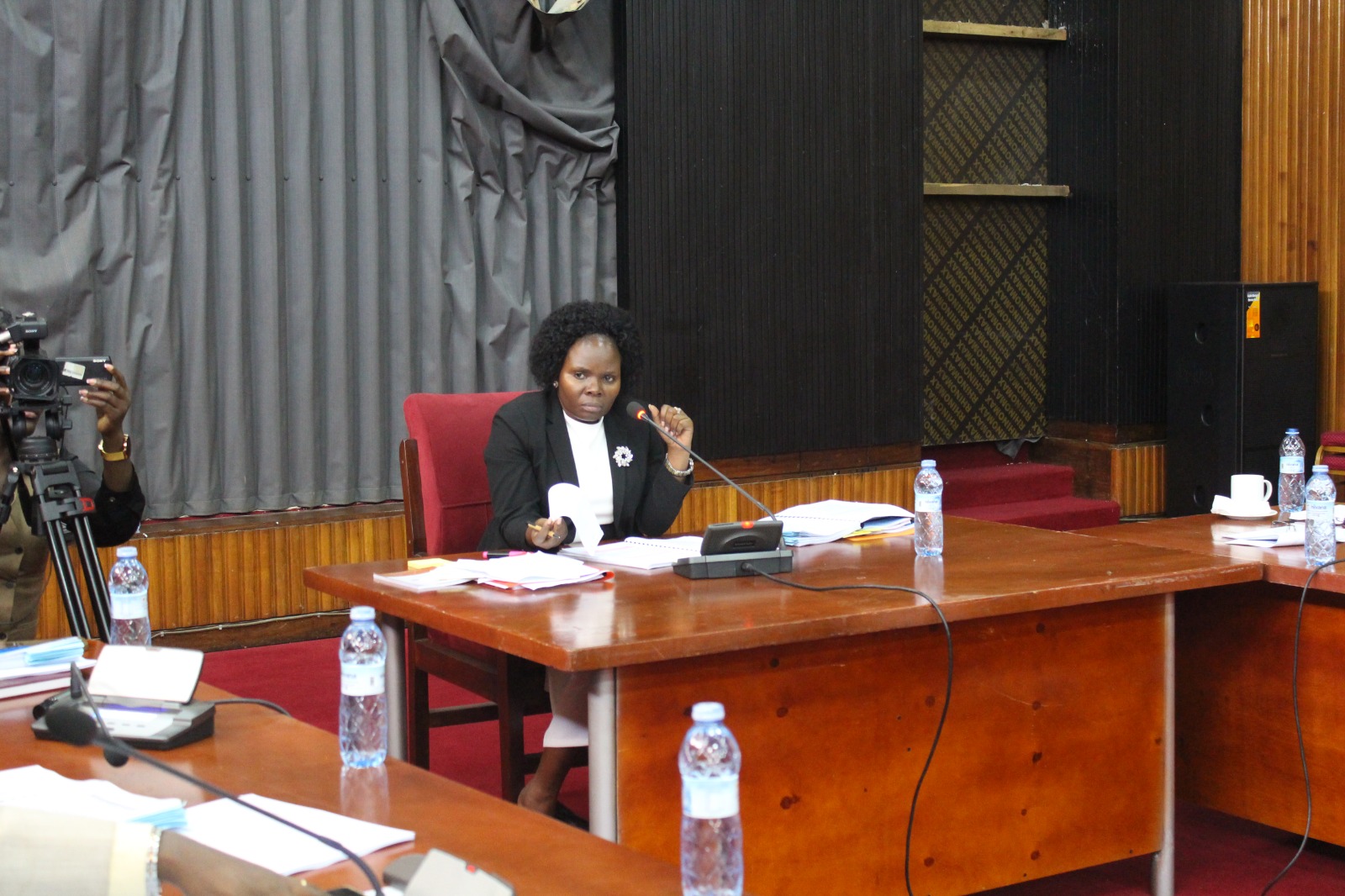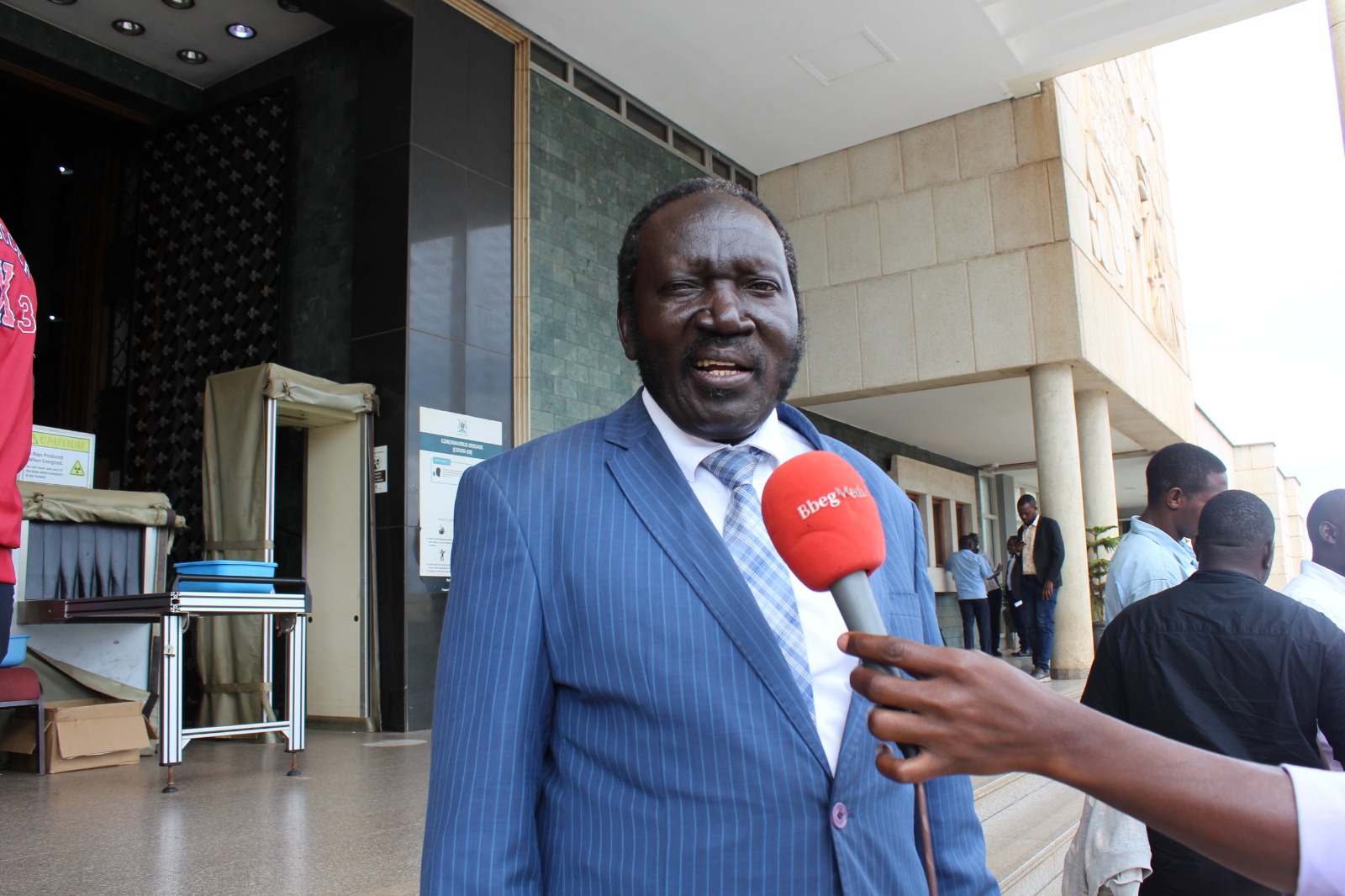
The Opposition Chief Whip, John Baptist Nambeshe, has called for the introduction of a two-chamber Parliament in Uganda, saying it would improve the handling of public issues and strengthen representation.
Nambeshe, who represents Manjiya County in Bududa district, told Bbeg Media at Parliament that the current single-chamber system is overstretched and struggles to process the views of Ugandans effectively.
He said Uganda should learn from countries such as Kenya and Rwanda, which operate bicameral legislatures.
“As construction of a new parliamentary chamber continues, we should borrow a leaf from our partner states. People’s views can be handled better with a more structured system than what we have now,” he said.
He proposed a Parliament made up of a Lower House and an Upper House, arguing that this would allow for better division of responsibilities.
According to him, experienced leaders could serve in the Upper House, while representatives from different regions would sit in the Lower House.
Nambeshe suggested that the Upper House could have about 50 members, a smaller and more manageable number compared with the current size of Parliament, which has forced some legislators to operate from rented office space.
He welcomed the ongoing refurbishment and expansion of Parliament by ROKO Construction Limited, saying the project would help address congestion in the existing chamber.
“The current chamber is too small. It was originally designed for about 80 to 100 members,” he said. “If this project succeeds, it will advance democracy in Uganda.”
On his party, the National Unity Platform (NUP), Nambeshe said it remains strong despite challenges. He noted that the party had appointed Zedriga Ssebuufu as acting president to steer its activities.
He also spoke about the situation of party supporters, claiming that many remain in prison after being accused of expressing their political views.
Nambeshe criticised the government’s response to disasters in the Bugisu sub-region, where heavy rains have caused flooding and landslides in districts including Mbale, Bulambuli, Namisindwa, Manafwa and Bududa.
He accused the Office of the Prime Minister of delaying the relocation of landslide victims, saying the process has taken more than 16 years with little progress.
“The pace is too slow, and people continue to suffer,” he said.
Reflecting on how he retained his parliamentary seat, Nambeshe credited his close connection with voters. He said his background in local government, where he served as an LC3 chairperson, helped him understand community needs.
“I have always kept in touch with my people while balancing my work in Parliament and in the constituency,” he said.