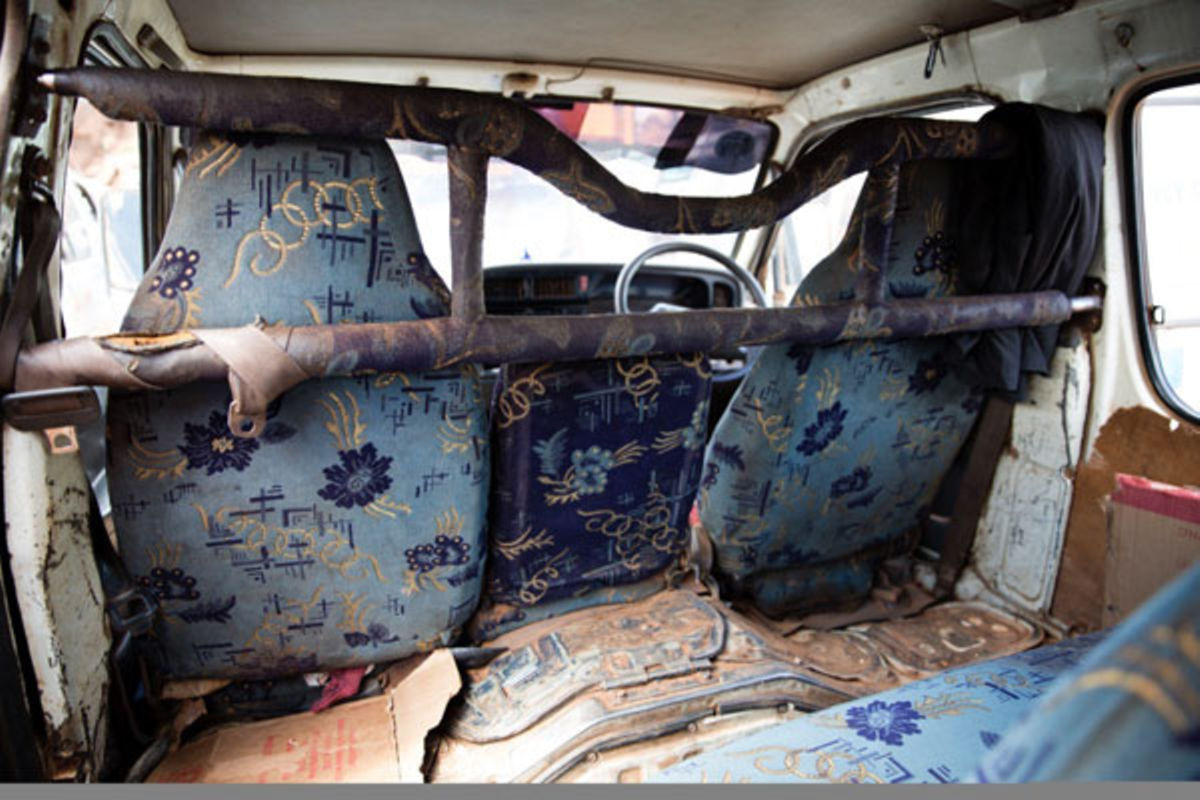
A number of legislators have expressed mixed reactions to a government proposal to phase out old taxis from Kampala and other urban roads, as authorities push to improve road safety and modernise public transport.
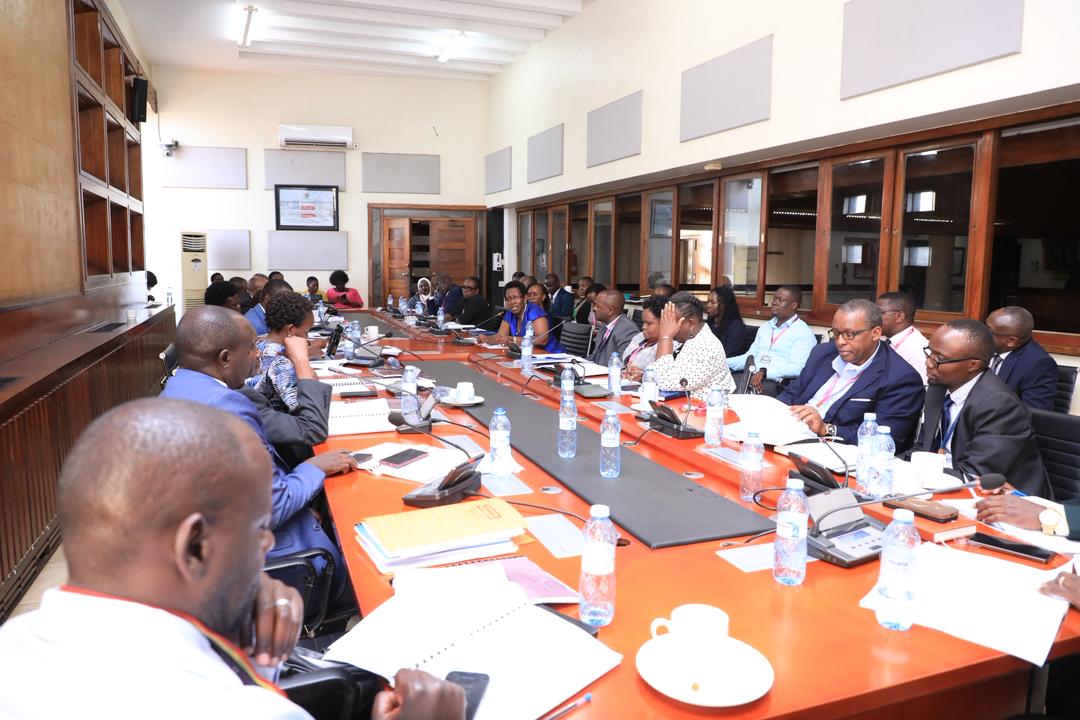
The proposal, which is under discussion by the parliamentary committee on Commissions, Statutory Authorities and State Enterprises (COSASE), seeks to enforce stricter age limits and mandatory inspections for public service vehicles.
It is part of broader efforts to reduce accidents linked to mechanical failure and to streamline urban transport.
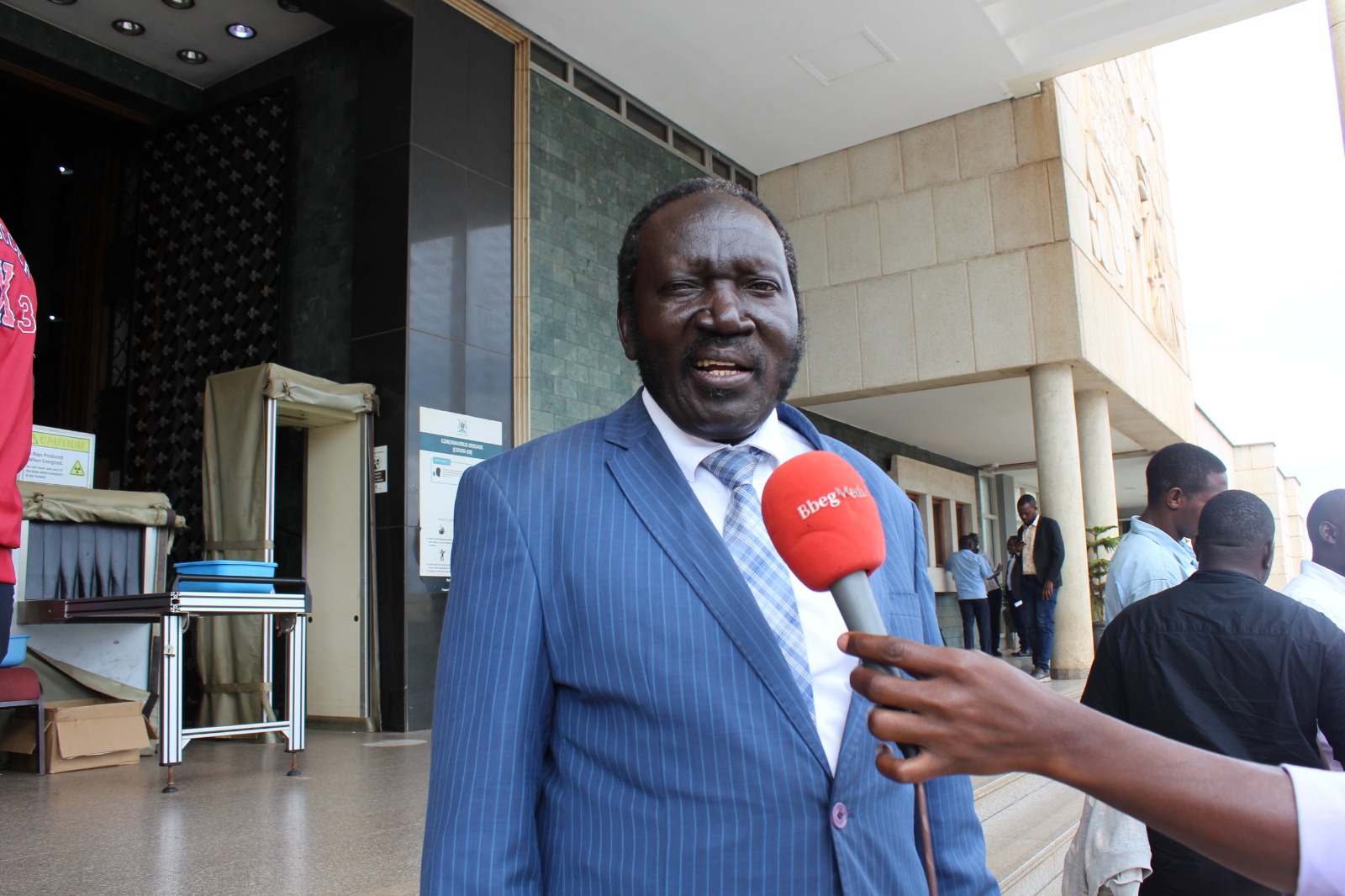
Speaking to Bbeg Media at parliament on Thursday, Elijah Okupa, the MP for Kasilo, urged government to prioritise regular vehicle inspections and maintenance rather than focusing solely on age limits.
Okupa said many older vehicles can remain roadworthy if properly maintained, warning that an outright ban could disrupt transport, especially in rural areas.
“It is better to emphasise routine mechanical checks than rush into removing vehicles that people depend on,” he said.
However, he also acknowledged the dangers posed by poorly maintained taxis, noting that accidents have placed a heavy burden on the country’s public health system. He said any policy must strike a balance between safety and accessibility.
Okupa called on government to first introduce reliable alternative means of transport to decongest Kampala before implementing the ban. He added that plans must be practical and sensitive to the needs of both urban and rural communities.
He welcomed ongoing infrastructure developments in his region, including the donation of two ferries to improve transport between Bukungu and Kasilo, and progress on the Kumi-Serere-Kagwara road project, which is expected to improve connectivity to Soroti and Isimba dam.
He also raised concern about food insecurity in neighbouring Turkana, urging farmers in his constituency to take advantage of current rains to boost food production.
Naomi Kabasharira, the woman MP for Bushenyi district, supported the removal of unroadworthy vehicles but cautioned against abrupt implementation.
Kabasharira said government should first invest in alternative public transport systems such as buses and electric rail, similar to those in more developed countries.
“You cannot remove taxis before putting in place reliable alternatives for the public,” she said.
She called on Kampala Capital City Authority (KCCA) to work with Kiira Motors Corporation to develop efficient and affordable city transport solutions.
The proposed policy includes mandatory vehicle inspections and certification, with a 60-day grace period for taxi operators to present their vehicles for compliance checks.
Under existing regulations, including Ordinance 294 of 2018, the registration of new taxis is limited to vehicles not older than 10 years.
Since January 2024, this requirement has been mandatory, although transitional arrangements have allowed older taxis to continue operating temporarily.
The planned enforcement would tighten these rules, potentially leading to the removal of a significant number of ageing taxis from the roads.
The government is yet to announce a definitive timeline for full implementation, but discussions in parliament signal that the policy could take effect in phases once approved.