MPs have raised concern over the high cost of dialysis treatment at Kiruddu Hospital, warning that it is placing a heavy financial burden on patients, the hospital, and the government.
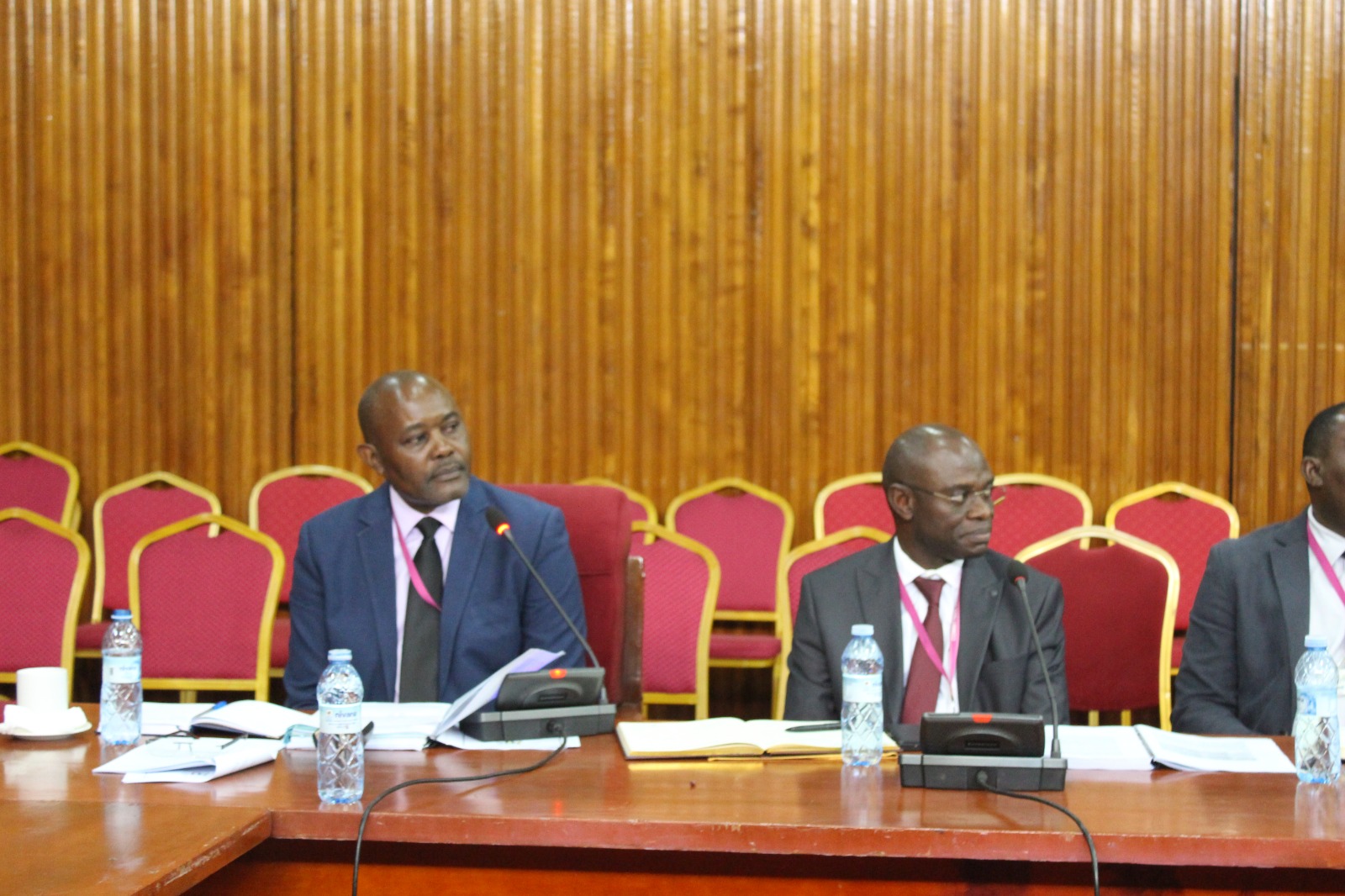
The concerns were raised by the Public Accounts Committee while reviewing the Auditor General’s report for the financial year ending 2025.
According to the report, the initial cost of dialysis ranges between Shs700,000 and Shs1 million for the first session. Subsequent sessions cost about Shs500,000 each.
For patients who require dialysis twice a week, the annual cost rises to between Shs48 million and Shs50 million.
In comparison, a kidney transplant costs between Shs80 million and Shs100 million as a one-off procedure.
The report noted that dialysis is a lifelong treatment for many patients, while a transplant offers a long-term solution with improved independence and productivity.
Legislators said the high cost of dialysis in a public hospital was worrying.
“We are concerned that the costs for dialysis treatment are exorbitant, yet this is a public hospital. We thought government allocates enough funds to cater for these services, but that is not the case,” said Wamakuyu Mudimi, the Elgon North MP.
Silas Aogon, MP for Kumi Municipality, echoed the concern, calling for urgent intervention to ease the burden on patients.
In response, Kiruddu hospital director Dr Charles Kabugo defended the charges, saying they are necessary to sustain the service and prevent financial losses.
He said prolonged dependence on dialysis presents serious medical and social challenges.
Kabugo explained that patients often suffer recurrent infections and fatigue after each session. They must also follow strict dietary and fluid restrictions, which affect their overall wellbeing.
He added that frequent hospital visits disrupt normal routines and work, while long-term dependence can lead to depression, social isolation, and loss of income.
Kabugo said the hospital is working with the ministry of health and Mulago hospital to find long-term solutions. These include strengthening access to kidney transplants and reducing reliance on dialysis.
The Auditor General’s report also highlighted several other challenges at the hospital.
These include inadequate funding for dialysis services, limited isolation facilities in the infectious diseases department, and the absence of a system for home-based oxygen therapy. As a result, some stable patients remain admitted longer than necessary.
The report further pointed to gaps in critical care units, including limited capacity, staffing shortages, and inadequate equipment and supplies.
Auditors noted overuse of key medical equipment, including the hospital’s only functional portable X-ray machine, which exceeds its optimal capacity of 50 examinations. The endoscopy machine is also used continuously without adequate rest due to high patient demand.
Other concerns included failure to secure service contracts for physiotherapy and laboratory equipment since the hospital’s inception, and gaps in tracking vaccine usage due to incomplete data in electronic systems.
Hospital management attributed some of the challenges to limited storage space for medicines and supplies, poor lighting, and inadequate ventilation in existing stores.
PAC chairperson Goretti Namugga and other MPs questioned why the hospital had not expanded its facilities to improve service delivery.