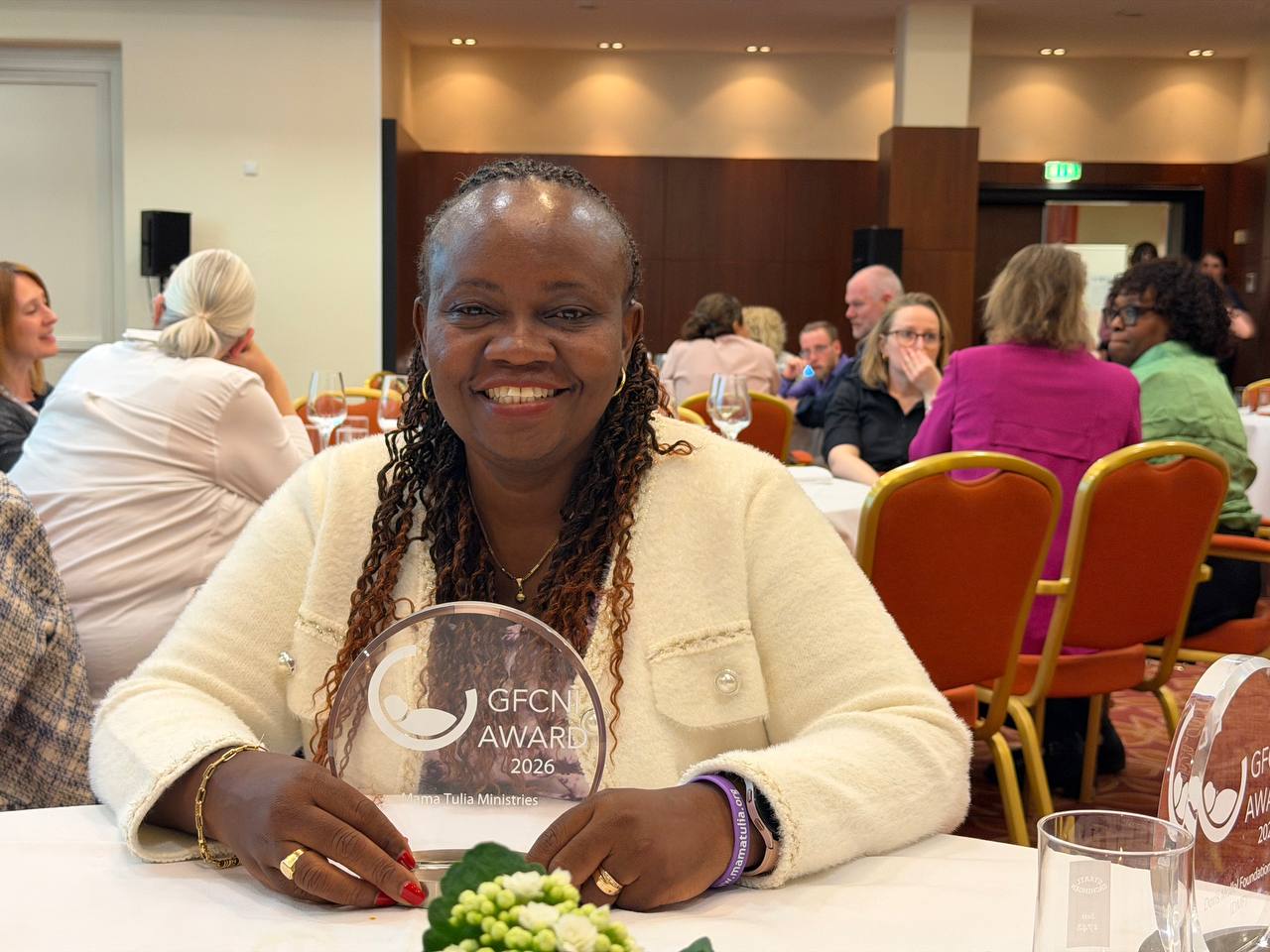
A Ugandan health-focused non-governmental organisation supporting vulnerable mothers and premature babies has received international recognition after its founder won a global award in Germany.
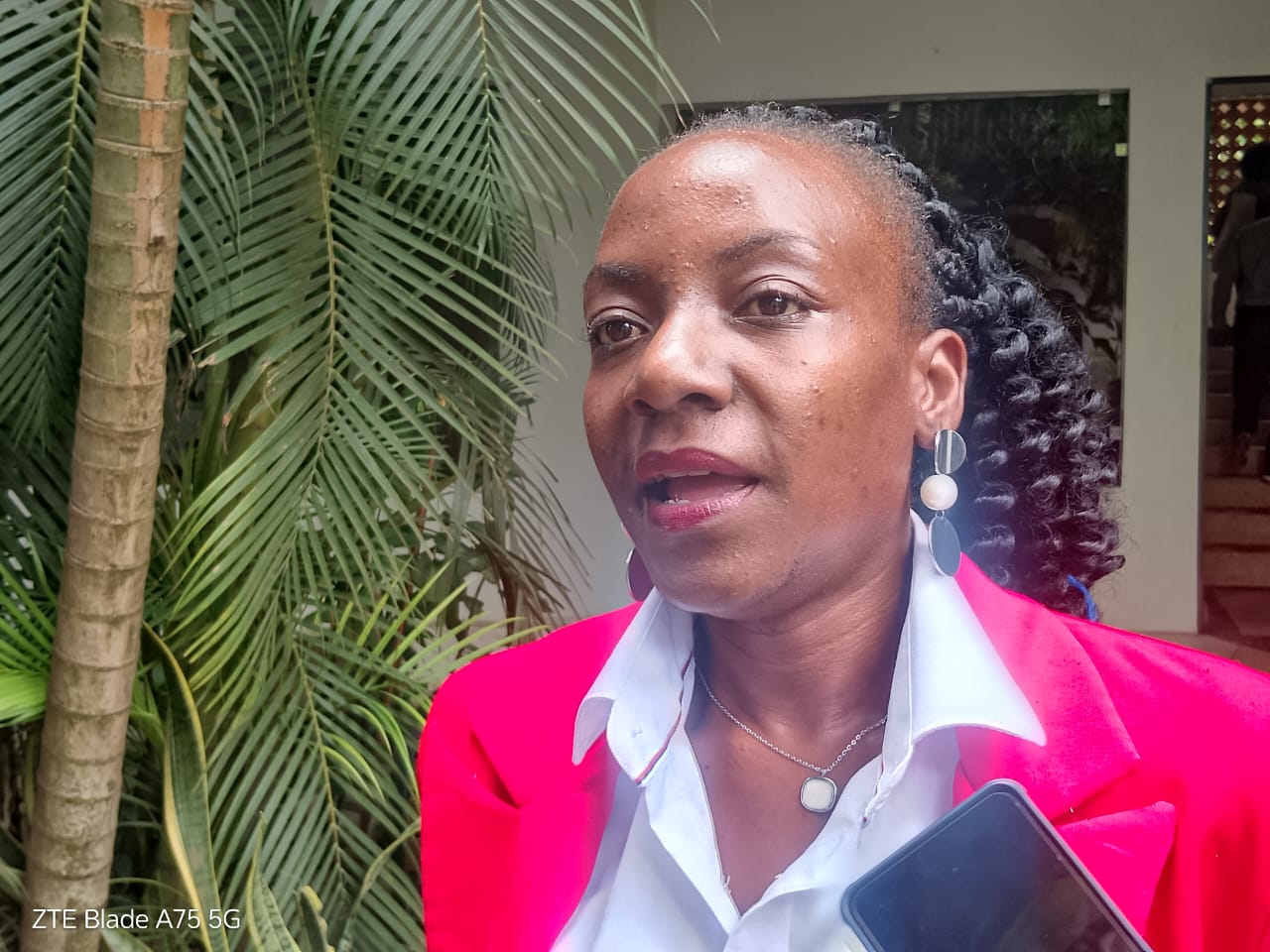
Mama Tulia Ministries was honoured at the Global Foundation for Care of Newborn Infants summit, where its founder, Isabelle Furaha, received the Innovation and Collaboration Award for her work in improving care for preterm babies.
The organisation, which operates in Uganda, was recognised for addressing a critical gap in newborn care, particularly the period after babies are discharged from hospital.
Although advances in neonatal medicine have improved survival rates, many premature babies in Uganda remain at risk once they return home. Health experts say infections, unsafe environments, and limited caregiver knowledge continue to threaten their survival.
Furaha said the organisation focuses on supporting families during this vulnerable transition.
“Our work begins where hospital care ends. We walk with mothers and babies through one of the most vulnerable transitions of their lives,” Furaha said after receiving the award,
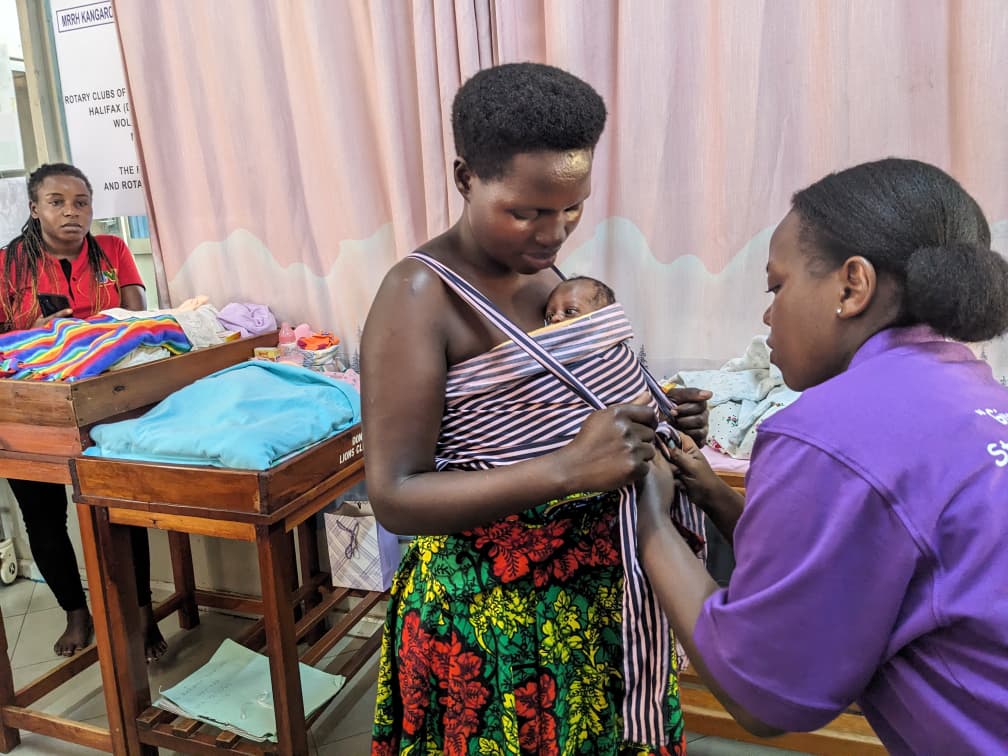
Mama Tulia uses a continuum of care model that combines hospital support, home follow-up visits, caregiver training, and specialised medical interventions.
Among its key programmes is screening for Retinopathy of Prematurity, a condition that can lead to blindness if not treated early.
The organisation has screened more than 2,000 babies, diagnosed 262 cases and successfully treated 243, helping to prevent avoidable blindness.
Overall, Mama Tulia says it has reached more than 10,700 mothers and babies, carried out over 650 home visits, and supported more than 500 hospital engagements aimed at improving care before discharge.
Earlier this year, the organisation launched the Tulia Tender Nest Transition Home. The facility provides temporary care for high-risk mothers and newborns before they return to their communities.
Since February, it has supported 20 mothers and 24 babies with monitoring, structured care, and caregiver education.
The organisation also tackles social factors that affect newborn health. It has distributed more than 200 water filters to reduce infection risks and runs psychosocial support programmes, including initiatives targeting teenage mothers and encouraging fathers to take part in childcare.
Health experts say such integrated approaches are essential in low-resource settings, where post-discharge care is often limited or unavailable.
The award at the Germany summit highlights both the organisation’s innovation and the role of partnerships in delivering care under constrained conditions.
Furaha said the recognition reflects the efforts of staff, volunteers, and partners.
“This award shows that even with limited resources, impactful and scalable solutions are possible,” she said.
Despite its progress, Mama Tulia says major challenges remain. The organisation is seeking support to expand its transition home model, extend screening services to more districts, and strengthen community-based programmes for young mothers.
For many families, the organisation’s work has been life-changing. In communities where survival after preterm birth is uncertain, it is helping shift the focus from survival to healthy childhood development.