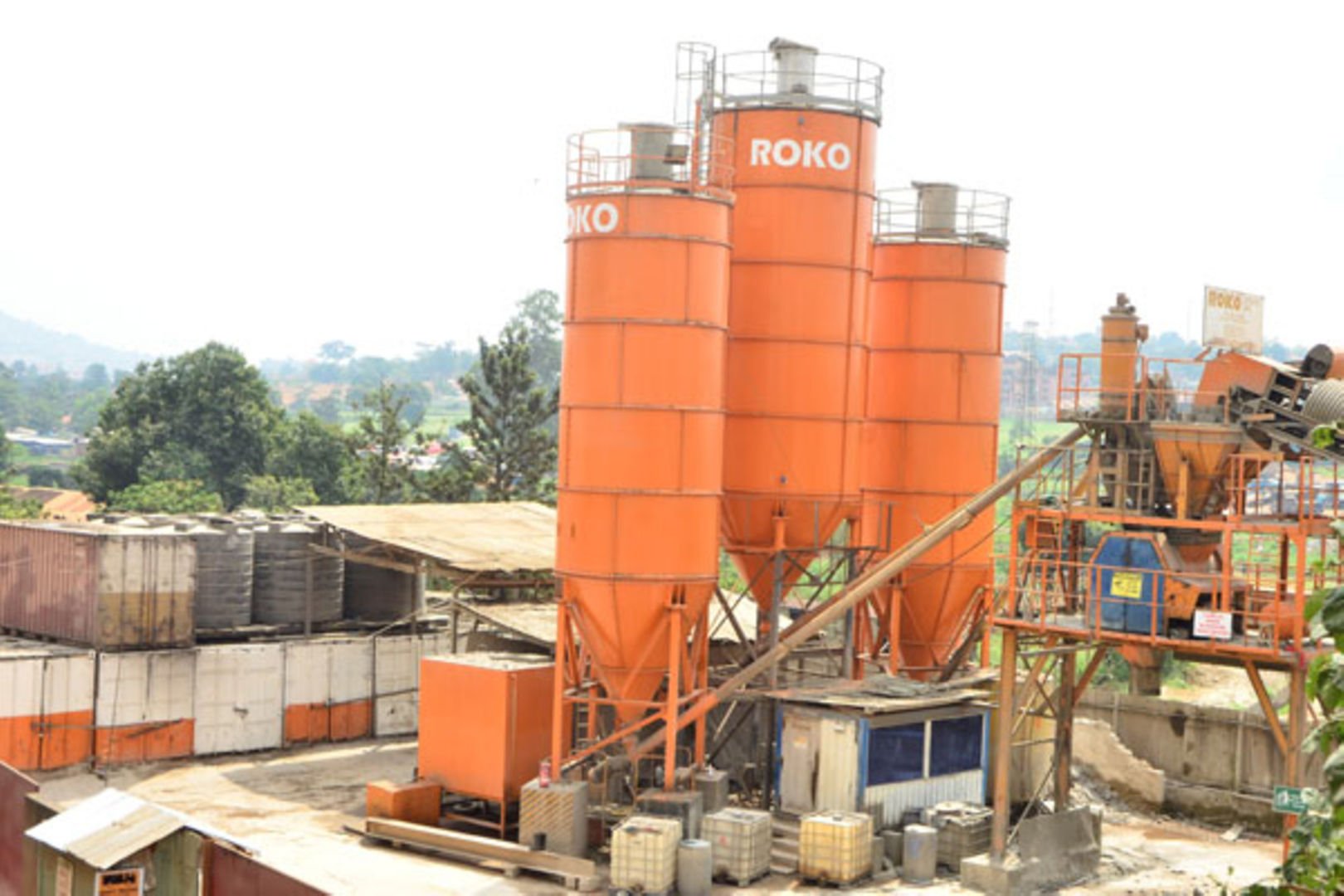
The PPDA Appeals Tribunal has dismissed an application by Roko Construction challenging its disqualification from a multibillion-shilling tender floated by the Uganda Bureau of Statistics (UBOS).
In a detailed ruling, the tribunal upheld UBOS’s decision to eliminate Roko at the preliminary stage and confirmed the award to CRJE East Africa Ltd.
The dispute arose from a procurement for the construction of an office block along Airport Road in Entebbe . The bid notice was published in the New Vision on November 13, 2025.
Seven companies submitted bids on December 12, 2025, including Roko, China Civil Engineering Construction Corporation, Excel Construction, CRJE East Africa Ltd, Techno Three Uganda in joint venture with RPP Infra Projects, VCON Construction Uganda Ltd, and Seyani Brothers.
On December 31, 2025, UBOS named CRJE East Africa Ltd as the best evaluated Bidder at a contract price of Shs 65.3 billion.
Roko’s bid was rejected at the preliminary evaluation stage because the validity period of its bid security was shorter than what had been prescribed in the instructions given to bidders by UBOS.
Aggrieved, Roko lodged a complaint before the UBOS Accounting Officer on January 9, 2026 but it was also dismissed.
Roko then petitioned the PPDA Tribunal on January 30, seeking to annul the procurement and order a new tendering exercise.
At the heart of Roko’s case was the argument that UBOS had unlawfully altered the standard bidding documents without approval from the PPDA. It argued that the bidding documents failed to specify precise dates for bid validity and bid security validity, rendering the process defective and unfair.
Roko also challenged the increase in CRJE’s price from Shs 62 billion at bid opening to Shs 65.3 billion in the award notice, arguing that incorporating corrections into the final contract price was unlawful.
UBOS opposed Roko’s challenge and maintained that it had used the 2025 standard bidding document and only made permissible project-specific adaptations.
It insisted that Roko was properly eliminated because its bid security, valid until May 26, 2026, fell short of the required validity period.
How Cementers lost Shs 45.5 billion NSSF tender case on a technicality
After hearing both sides, the tribunal panel, chaired by Geoffrey Nuwagira, faulted Roko for participating in the process without seeking clarification in time. It noted that bidders could request clarification of the bidding documents.
“A bidder cannot knowingly participate in a procurement process, reserve an objection, and only raise it after the outcome is unfavorable. Procurement law does not permit such ambush or speculative challenges,” the tribunal ruled.
The tribunal found that although UBOS failed to insert specific dates for bid validity and bid security validity, this omission was not fatal.
It observed that the advert clearly stipulated December 12, 2025 as the deadline for submission of bids.
“In light of these provisions, the duration of both the bid validity and the bid security could be determined with certainty by a simple computation from a fixed, known submission date,” the tribunal ruled.
It added that the omission did not, in the particular circumstances of this procurement, “create ambiguity, vest discretion in the Respondent, or occasion prejudice to any bidder.”
The tribunal agreed with UBOS’s position that compliance with bid security validity requirements is mandatory at the preliminary stage. Since Roko’s security fell short of the required duration, the bid was non-responsive.
Regarding the difference between CRJE’s opening price and the final evaluated price, the tribunal accepted UBOS’s explanation that the variation arose from lawful correction of errors under the evaluation regulations. It noted that the bidder had been notified and accepted the corrections.
The panel also dismissed Roko’s argument that the mandatory 10 working day display period for the best evaluated bidder notice had been breached in a way that invalidated the process.
In the end, the tribunal dismissed Roko’s application in its entirety and rejected its request for refund of the Shs 10 million administrative review fee and costs.