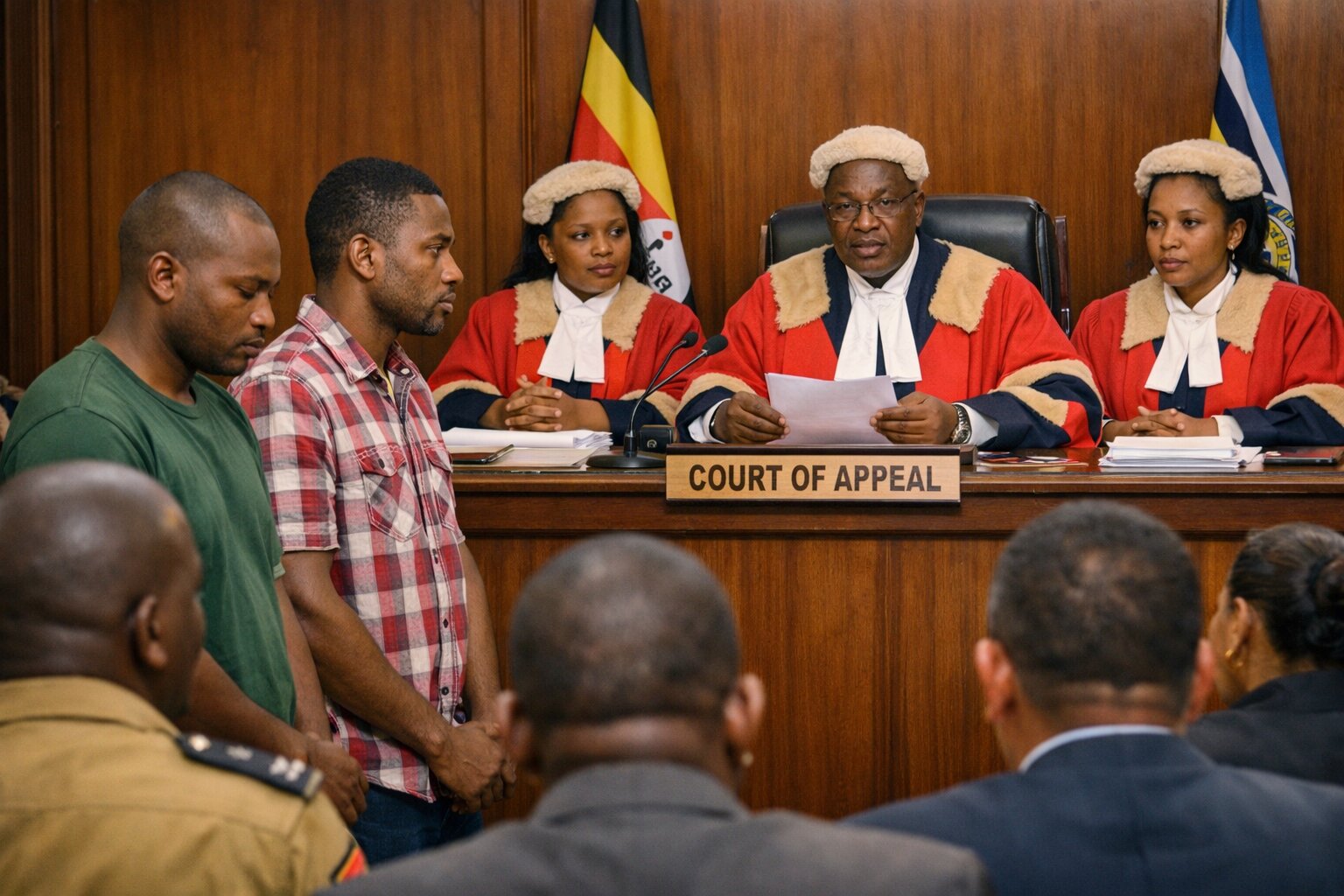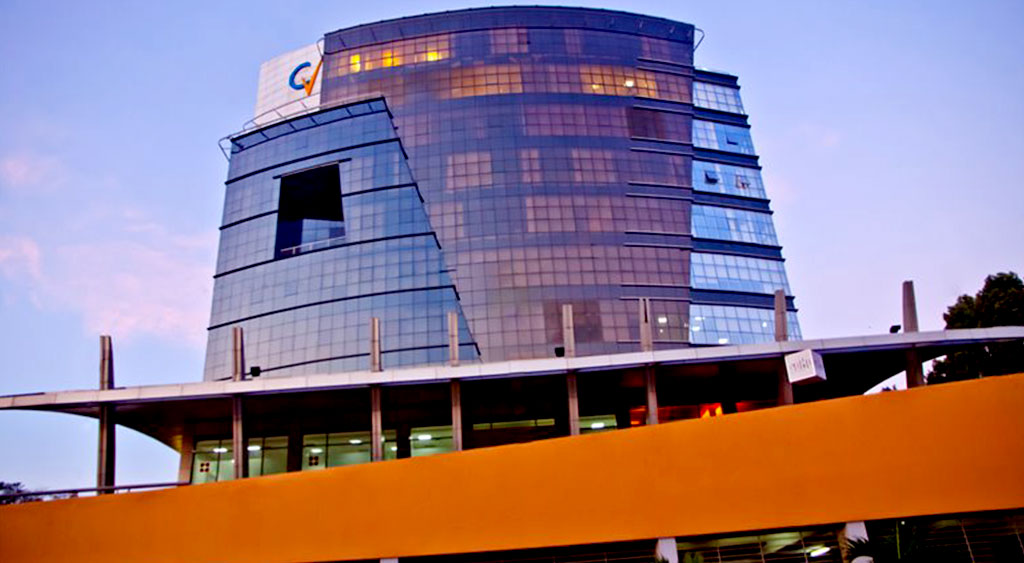
A dispute that began nearly two decades ago over the construction of Course View Towers in Kampala has finally been settled, with Kampala Associated Advocates (KAA) emerging victorious for Seyani Brothers against Nangwala, Rezida & Co. Advocates, which represented Course View Limited.
Justice Stephen Mubiru ruled that the court ruled that Course View Limited must pay Seyani Brothers $ 440,000 (Shs 1.6 billion), along with interest and legal costs, bringing to a close a dispute rooted in a construction contract signed in 2008.
The case traces back to 18 June 2008, when Course View Limited hired Seyani Brothers to build an 11-storey office block on Yusuf Lule Road in Nakasero at Shs 30 billion.
Seyani completed the works in November 2010 and officially handed over the building, Course View Towers, in June 2011 after the defects liability period expired.
However, Course View left an outstanding balance of Shs 2.4 billion. After years of delayed payment, Seyani demanded even more, citing accumulated claims, before initiating arbitration proceedings.
Faced with the prospect of arbitration, the two parties entered negotiations. These talks resulted in a memorandum of understanding signed in 2017, in which Course View agreed to pay a reduced figure of Shs 1.6 billion.
The agreement required payment by December 31, 2018, failing which interest would apply. However, Course View did not pay.
When Seyani went to court to enforce the agreement, Course View fought back strongly through its lawyers at Nangwala, Rezida & Co. Advocates.
They argued that the memorandum of understanding was not valid because it had been signed under pressure and with an illegal purpose.
Course View’s lawyers questioned whether the document was genuine, arguing that negotiations were still ongoing months after the date shown on the agreement.
On the other hand, Seyani’s lawyers from KAA pushed for enforcement of the agreement, arguing that it was a valid contract freely entered into by both parties.
They told the court that “the terms of the memorandum were negotiated freely” and that Course View only refused to pay because of cash flow problems.
They also dismissed claims of duress, noting that Course View had taken years before raising such allegations.
Mubiru was suspended twice by the engineers board for misconduct. He defeated them twice in court
Justice Mubiru carefully examined these arguments and broke down the dispute into key questions, starting with whether the memorandum of understanding was legally binding.
He explained that while such memoranda are often non-binding, they can become enforceable if they contain clear terms and show an intention to create legal relations.
In this case, Justice Mubiru found that the agreement met all the requirements of a contract.
He added that the document “did not give any room for further negotiations” and was therefore binding.
On the issue of duress and undue influence, the court rejected Course View’s claims.
Justice Mubiru observed that the negotiations were conducted between two commercial entities dealing at arm’s length, meaning neither side had control over the other.
“There is no indication whatsoever that the defendant placed trust and confidence in the plaintiff; it was an arm’s length commercial negotiation,” he said.
He also pointed to email exchanges showing that Course View repeatedly promised to pay but never protested the terms at the time.
“At no point… did [the defendant] protest. He never said no to any of the demands,” Justice Mubiru noted.
The court found that Course View signed the agreement as a business decision to avoid arbitration and possible reputational damage.
On allegations of illegality, particularly claims that the agreement was meant to facilitate tax evasion through offshore payments, the court was equally dismissive.
Justice Mubiru said there was no evidence to support such claims and warned against speculation.
Having found the agreement valid and enforceable, the court turned to the question of whether Seyani was entitled to payment. Justice Mubiru had little difficulty answering this.
“The defendant (Course View) breached the terms of the MoU when it failed to pay in accordance with its terms,” he held.
As a result, the court awarded Seyani the full Shs 1.6 billion agreed in the settlement.
However, the court rejected the high interest rate of 15% per month that had been included in the agreement. Instead, Justice Mubiru substituted it with a more reasonable rate of 10% per year, starting from December 31, 2018, until full payment is made.
Worth noting was the prominence of the law firms each party employed to try to win the case.
Seyani Brothers went with KAA, one of the most reputable law firms in the country. Course View hired Nangwala, Rezida & Co. Advocates, a firm that built its reputation in the 90s and 2000s as Daily Monitor’s legal defenders.