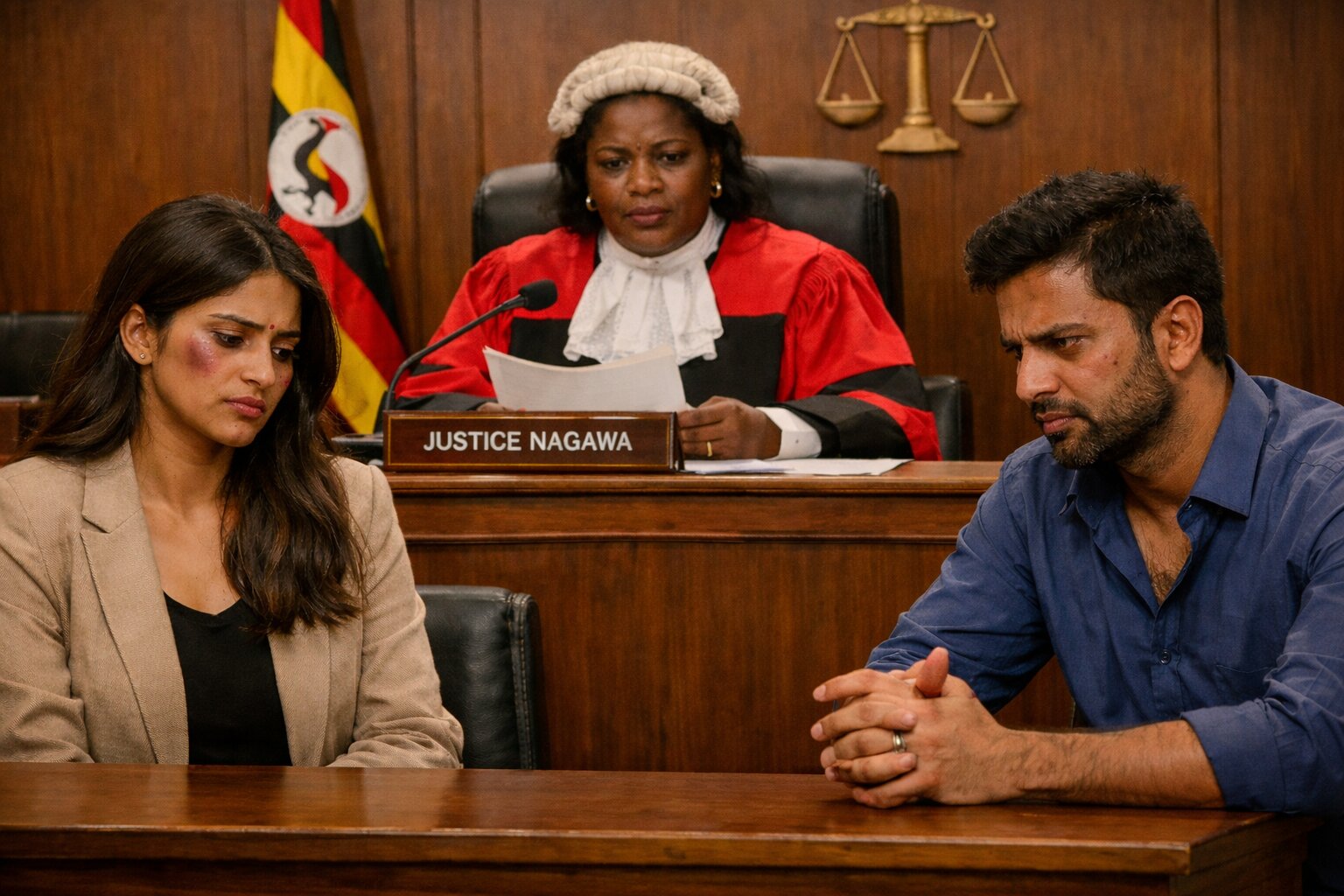
The High Court has found Equity Bank Uganda negligent after it released critical shipping documents without payment, causing an Indian exporter to lose over Shs 115 million in a botched international trade deal.
In his ruling, Justice Stephen Mubiru of the Commercial Division of the High Court said the bank failed to follow clear instructions and basic international banking rules while dealing with Sanstar Bio-Polymers Limited.
It all started in September 2016 when Mukwano Industrial Suppliers Limited placed an order for 72 metric tonnes of liquid glucose worth Shs 115 million with Sanstar, an Indian based firm.
The parties agreed that payment would be made only after Sanstar received shipping documents.
To safeguard payment, Sanstar used its bank, Karur Vysya Bank in India, to send the shipping documents to Equity Bank in Uganda, which was identified as Mukwano’s bank.
The arrangement was simple. Equity Bank would only release the documents to the buyer after receiving full payment.
But things quickly went wrong.
On November 8, 2016, the documents were delivered by courier to Equity Bank’s Kabalagala branch and received by the branch operations manager, identified as Resty.
Instead of holding the documents until payment was made, Equity Bank staff handed them over to Mukwano’s clearing agent, Unimar Logistics Limited. The goods were later collected and delivered to Mukwano Industrial Suppliers.
However, Sanstar never received its money and sued Equity, accusing it of negligence and breach of duty.
In its defence, Equity Bank denied responsibility, and its lawyers from Kampala Associated Advocates (KAA) argued that the bank had never been formally appointed as a collecting bank and had no contractual relationship with Sanstar.
They told the court that Mukwano had falsely claimed that Equity was its banker, and that documents were sent without the bank’s prior consent.
Equity Bank also insisted it owed no duty of care to the exporter, since there was no direct relationship between them.
On the other side, Sanstar’s lawyers from PNK Advocates argued that the bank became responsible the moment it received and acted on the documents. They said the bank should have either rejected the documents or followed instructions strictly.
They told the court that once the bank failed to notify the sender that it would not act, and instead processed the documents, it became liable for any loss.
Court orders Moses Kigongo to pay firm Shs 58 million for aluminium windows
Justice Mubiru agreed with Sanstar, making it clear that even without a formal contract, Equity Bank’s conduct created responsibility.
“If a bank elects not to handle a collection, it must advise without delay,” Justice Mubiru said.
In this case, he said, Equity Bank did not reject the documents, did not return them, and did not notify the sender. Instead, it released them.
That, Justice Mubiru said, was fatal.
He said that Equity had effectively accepted the role of a ‘collecting bank’ through its actions.
Justice Mubiru went further and found that Equity Bank had breached the most basic rule in documentary collections. Documents must only be released after payment, he emphasized.
Quoting established banking principles, he said: “A collecting bank that acts in contravention of collection instructions, such as releasing documents without payment, is liable for negligence.”
He added that banks cannot hide behind technical rules when they act carelessly.
“A collecting bank cannot take refuge in the provisions if it failed to act in good faith and without reasonable care.”
Justice Mubiru found that the relationship between the parties was close enough to create responsibility. He said Euity Bank “ought to have contemplated Sanstar as someone affected by their actions.”
He stressed that once the bank handled the documents, it assumed responsibility to act carefully.
Justice Mubiru also pinned liability on the bank for the actions of its employee, a one Resty. He noted that Resty released the documents while performing her official duties, making the bank vicariously liable.
“The collecting bank is responsible for any injury or loss that flows from the acts of its employees,” he ruled.
In the end, the court found that Sanstar had lost both the goods and the money because of the bank’s actions and awarded it the full invoice value of Shs 115 million at an interest of 8% per year starting from November 8, 2016.
However, Justice Mubiru declined to award general damages to Sanstar, saying that interest was sufficient compensation and that awarding more would amount to overcompensation.