The ministry of Finance has said Uganda’s economy has remained stable and has not experienced the inflationary spikes that have traditionally characterised past election cycles.
Dr Ramathan Ggoobi, the Permanent Secretary and Secretary to the Treasury, attributed this stability to long-term economic reforms that have strengthened fiscal discipline, monetary policy, and macroeconomic management.
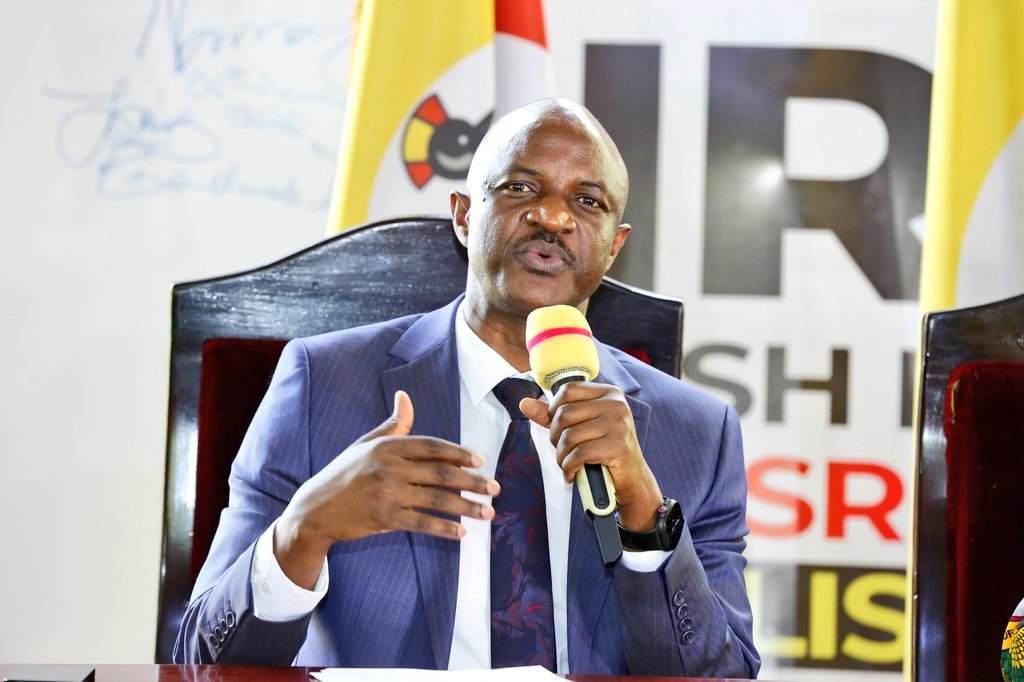
Speaking on Thursday during a visit to the NRM secretariat, Ggoobi explained that in previous election periods, inflation tended to rise sharply due to excessive spending by politicians on campaigns and direct cash handouts to voters.
Such spending, he said, increased money circulation without corresponding production, pushing up prices of goods and services.
He noted that this trend has gradually been curtailed through reforms implemented over the years, which have helped stabilise inflation and protect the value of the Uganda shilling.
“These gains are not accidental. Over the years, government has implemented key reforms that have enabled the economy to remain stable, including inflation control and currency stability,” Ggoobi said.
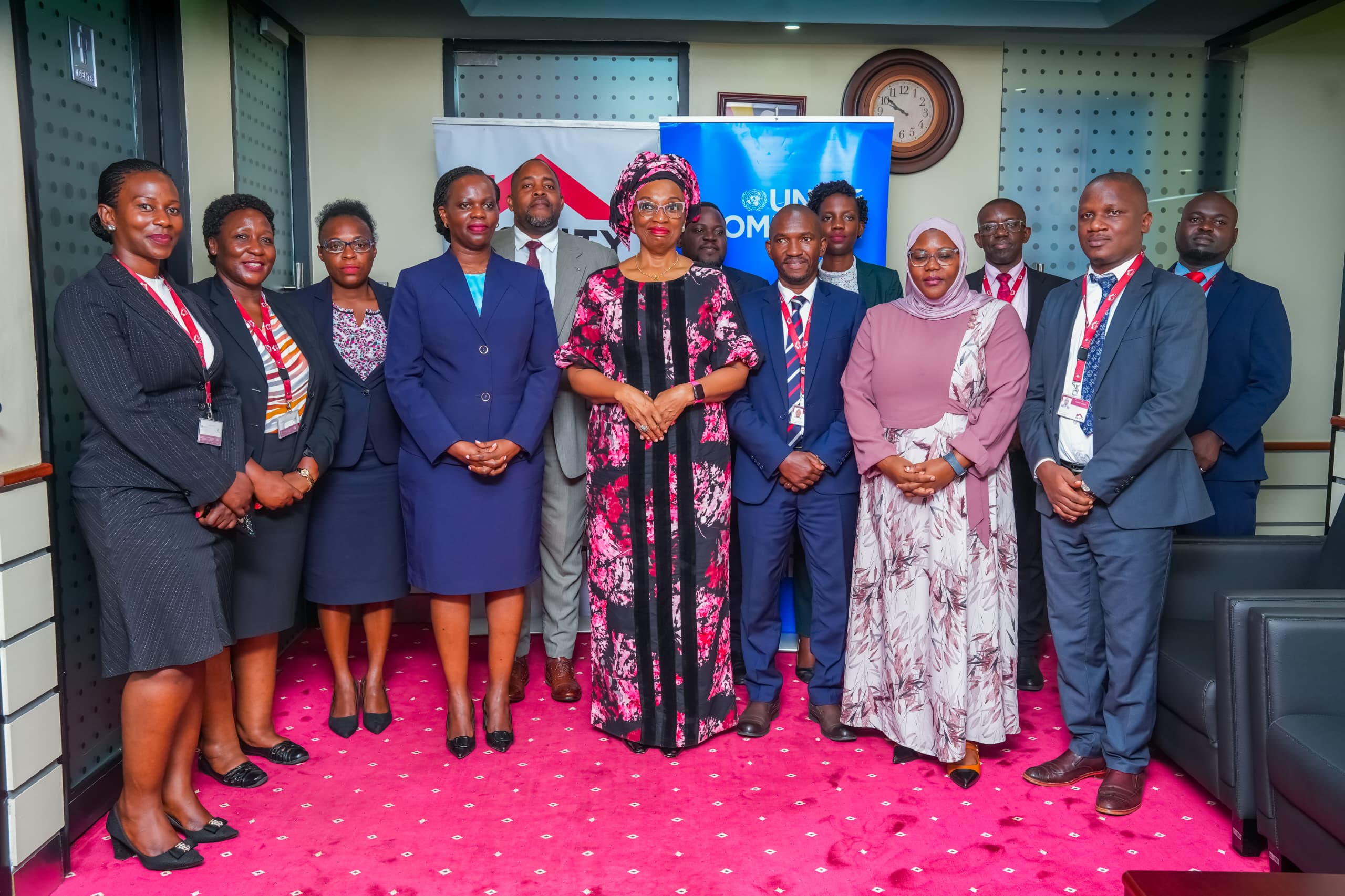
Ggoobi was at the NRM secretariat to present highlights of the government’s economic performance since 1986, focusing on reforms that have shaped Uganda’s economic journey.
Among the major reforms cited were the elimination of price controls, liberalisation of the economy, export diversification, privatisation and rationalisation of state enterprises, and the establishment of the Uganda Revenue Authority to improve domestic revenue mobilisation.
He said these reforms laid the foundation for private sector growth, improved competitiveness and increased investor confidence, allowing the economy to expand steadily over the decades.
He revealed that the size of Uganda’s economy is projected to expand nearly 27 times from its 1986 level. By June 2026, Uganda’s gross domestic product is expected to reach $ 68.4 billion using the foreign exchange rate method.
On poverty reduction, Ggoobi said national poverty levels have declined from 21.4 % in 2016 to 16.1 % in 2025. He added that income inequality has also reduced, with the Gini coefficient improving to 38 % in 2024 from 41 percent in 2020 and 46 % in 1994.
He acknowledged that while challenges remain, particularly unemployment and cost of living pressures, the overall trend shows progress in inclusive growth.
Revenue collection was also highlighted as a key achievement. Dr Goobi said domestic revenue has nearly doubled over the last five years, rising to Shs32 trillion in the 2024/25 financial year from Shs17.6 trillion in the 2019/20 financial year.
He attributed the growth in revenue to tax administration reforms, expansion of the tax base, digitalisation of tax systems and improved compliance.
Dr Ggoobi said the government remains focused on sustaining economic stability as the country heads into an election, noting that maintaining low inflation, stable exchange rates and fiscal discipline is critical to protecting household incomes and investor confidence.