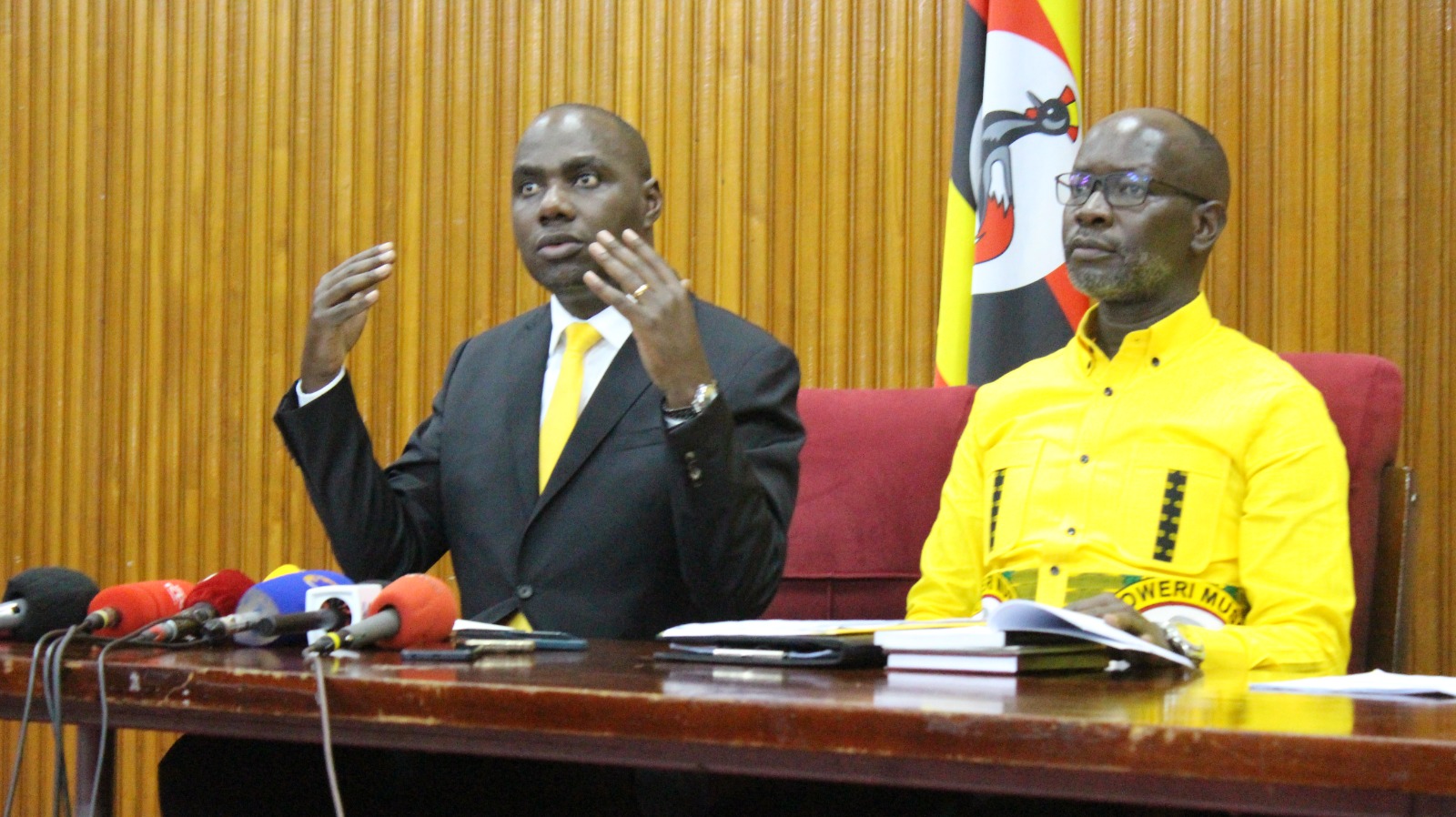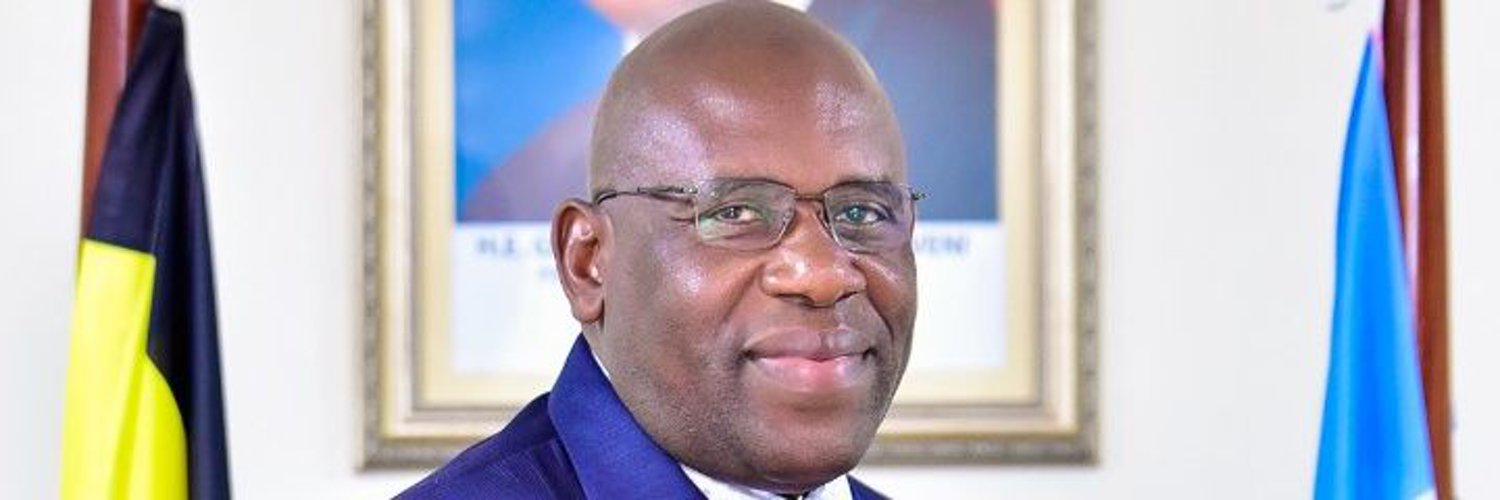
The former state minister for Foreign Affairs, Asuman Kiyingi, has backed Ghana’s plan to table a United Nations resolution seeking to declare the transatlantic slave trade a crime against humanity.
Kiyingi, a former MP for Bugabula South in Kamuli, told Bbeg Media in a phone interview from Jinja that the resolution is long overdue.
“I agree with the resolution because it was a very horrible thing. Africa was drained of its best people and that contributed significantly to our underdevelopment. I urge all African countries to support this resolution unreservedly,” he said.
Ghana’s President, John Mahama, recently indicated that his country would push for international acknowledgement of the slave trade at the UN General Assembly next year.
Speaking at the African Union summit in Addis Ababa, Mahama said the initiative is not only about financial compensation but also about securing formal global recognition of the historical injustice.
Kiyingi said Western Europe and North America built much of their early wealth on slave labour, arguing that the economic foundations of those regions were strengthened by the exploitation of Africans.
He also criticised African chiefs and intermediaries who facilitated the capture and sale of fellow Africans during the transatlantic slave trade.
Millions of Africans were forcibly transported across the Atlantic Ocean, the Caribbean and parts of the Indian Ocean to work on plantations and in industries.
Kiyingi said the suffering endured by enslaved Africans warrants reparations and called for compensation discussions to be treated as a serious and necessary part of the global conversation.
“People who suffered these crimes should be compensated. Reparations to African countries need to be discussed and considered as crucial,” he said.
Drawing on his experience as a former works minister, Kiyingi urged African governments, with the backing of the African Union and other UN member states, to prioritise investment in visible infrastructure projects.
He cited railway connectivity from Cape Town to Cairo, clean energy, telecommunications and water systems as examples of transformative projects that could help address historical injustices.
Ghana’s reparations push was first launched by Mahama’s predecessor, Nana Akufo-Addo, in November 2023.
The West African nation has positioned itself at the forefront of global reparations advocacy, calling for a united African front to demand accountability for transatlantic slavery and colonial-era exploitation.
The proposed resolution is expected to spark wide-ranging diplomatic debate among UN member states as discussions on historical accountability and reparations gain renewed momentum across Africa and the Caribbean.