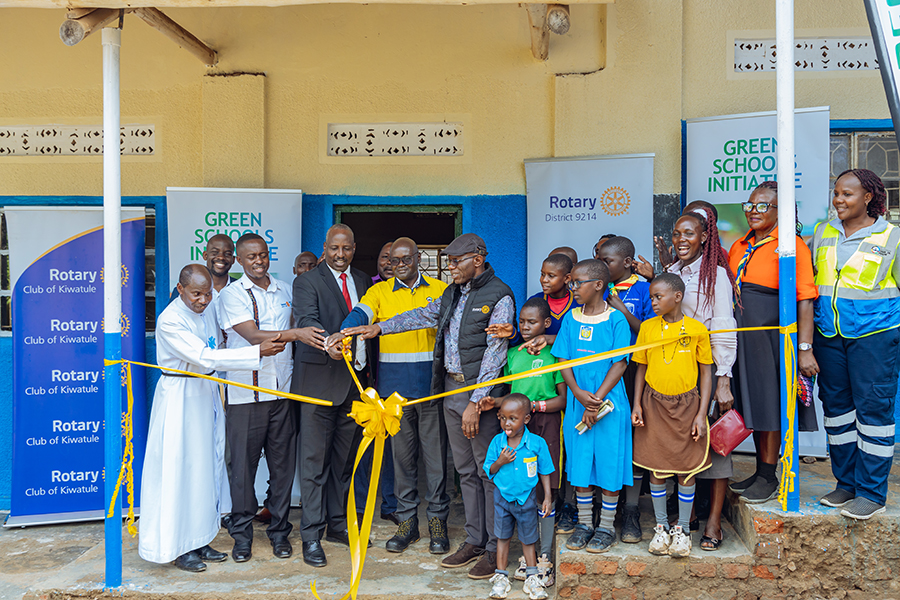
St Kizito Primary School in Kyotera district has become the first beneficiary of a new Green Schools Initiative, a programme launched by the East African Crude Oil Pipeline (EACOP) in partnership with Rotary Uganda to promote environmental conservation in communities along the pipeline route.
The initiative, unveiled on in Kasasa sub-county, is part of EACOP’s broader social economic investment programme and is intended to turn selected schools in ten districts into hubs of environmental stewardship. The districts include Hoima, Kikuube, Kakumiro, Mubende, Kyankwanzi, Lwengo, Kyotera, Rakai, Sembabule and Gomba. Each of them hosts sections of the 1,443km pipeline that will transport Uganda’s crude oil to the Tanzanian coast.
Its launch follows a memorandum of understanding signed in August between EACOP and Rotary Uganda outlining their collaboration on the project.
Under the programme, schools will receive solar power installations, waste management systems, fruit and vegetable gardens, rainwater harvesting facilities, improved sanitation blocks and regular environmental awareness sessions for both pupils and teachers. Organisers say the aim is to provide practical learning tools that encourage young people to adopt and champion sustainable practices.
Speaking at the launch, John Bosco Habumugisha, EACOP’s deputy managing director, said the company wanted to play a long-term role in shaping environmental behaviour in communities that host the project.
“The EACOP Green Schools Initiative represents our commitment to sustainable development and environmental responsibility. By integrating green practices in schools, we are not only addressing immediate community needs but also nurturing a generation that will champion environmental protection and sustainable living,” he said.
Geoffrey Kitakuule, governor of Rotary District 9213, said the collaboration reflects the organisation’s widening focus on climate and environmental resilience.
“This partnership with EACOP is a clear demonstration of Rotary’s mission to protect the environment and promote community well-being. Working with schools allows us to reach young people who can lead lasting change in their communities,” Kitakuule said.
Christine Kyeyune Kawooya, governor of District 9214, said the initiative is designed to give children and teachers the skills and confidence to adopt climate-friendly habits in their daily lives.
“Through initiatives like this, we are empowering children and teachers to become advocates for a cleaner, greener and healthier environment. The Green Schools Initiative is not just a project. It is a movement towards a sustainable future,” she said.
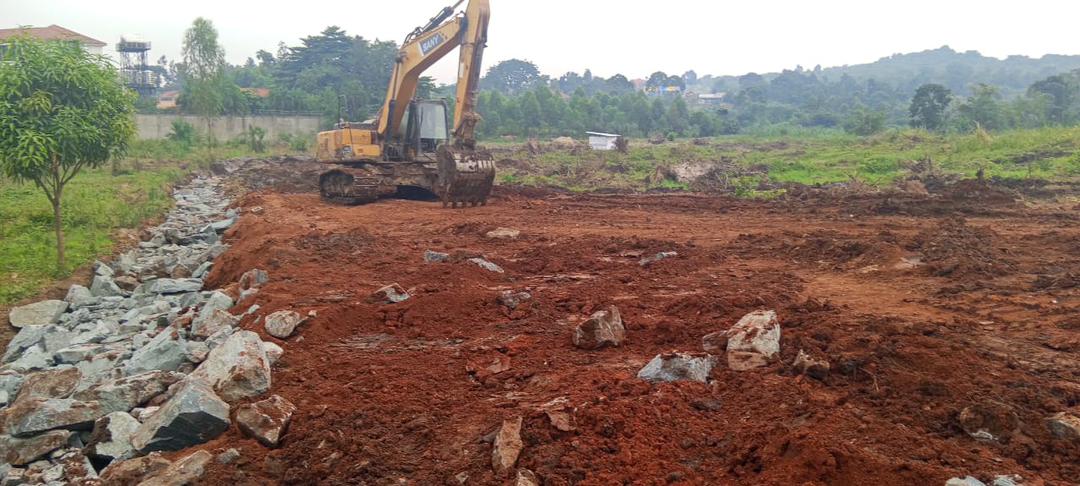
The project comes as the EACOP pipeline edges closer to construction. The 1,443km heated and buried pipeline, 296km of it in Uganda and 1,147km in Tanzania, will transport crude oil from Kabaale in Hoima district to the Chongoleani peninsula near Tanga on the Indian Ocean.
Environmentalists have long criticised the pipeline project for its potential impact on sensitive ecosystems and communities along its route. EACOP has frequently pointed to programmes such as the Green Schools Initiative as part of its commitment to reducing environmental harm and supporting local development.
For pupils at St Kizito Primary School, the launch marked the start of what teachers hope will be a shift in how children interact with their surroundings.