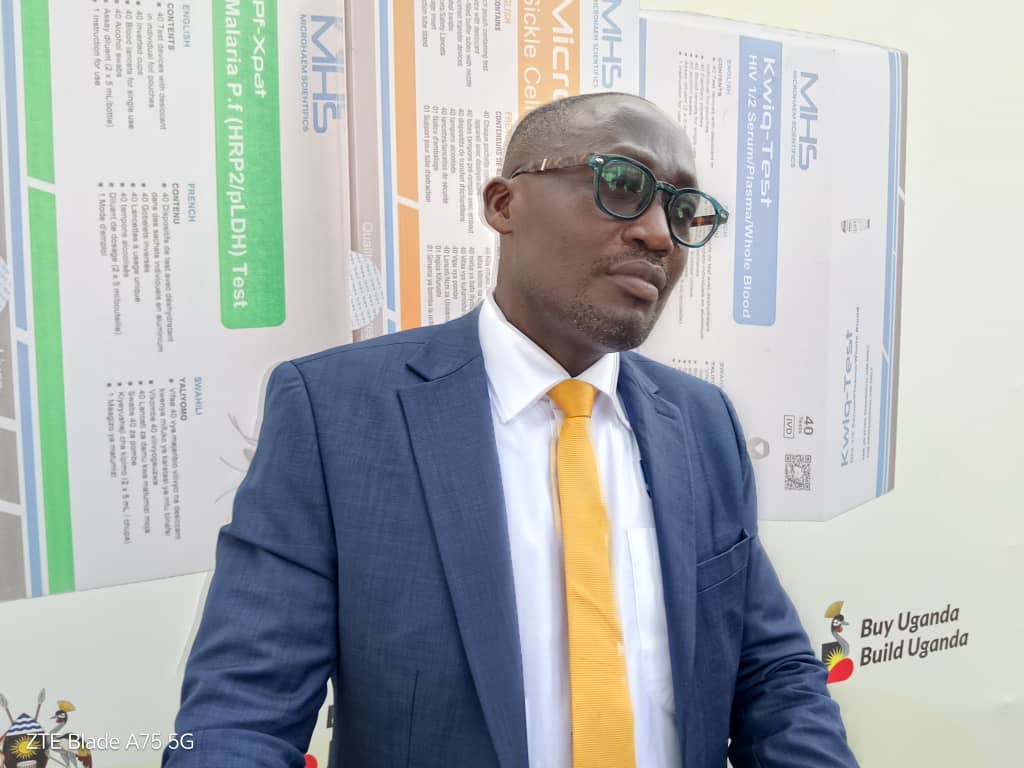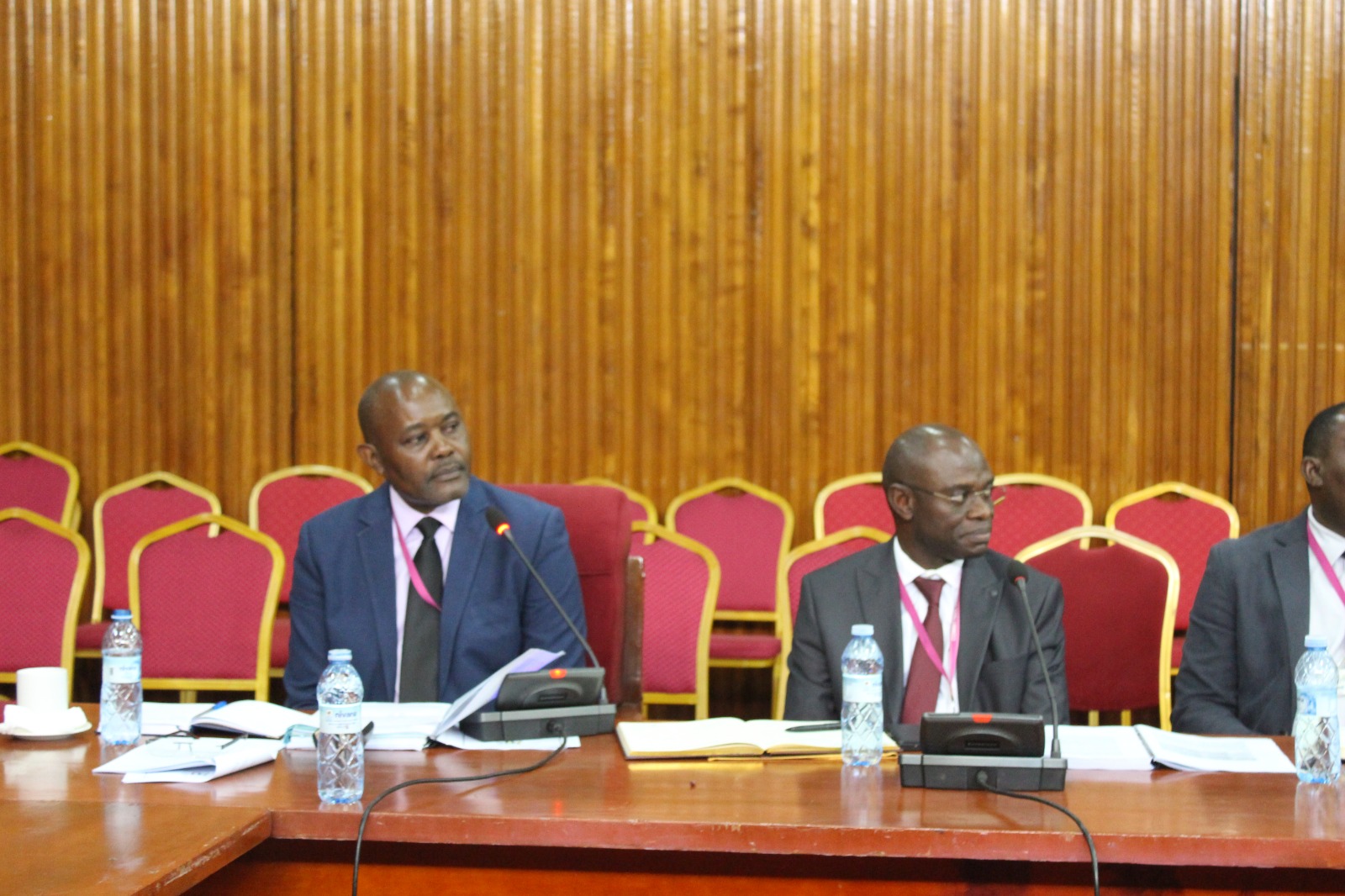
Dr Michael Lulume Bayigga, the MP Buikwe South, has urged the government to intensify health education and awareness campaigns on diabetes amid a growing burden of non-communicable diseases in Uganda.
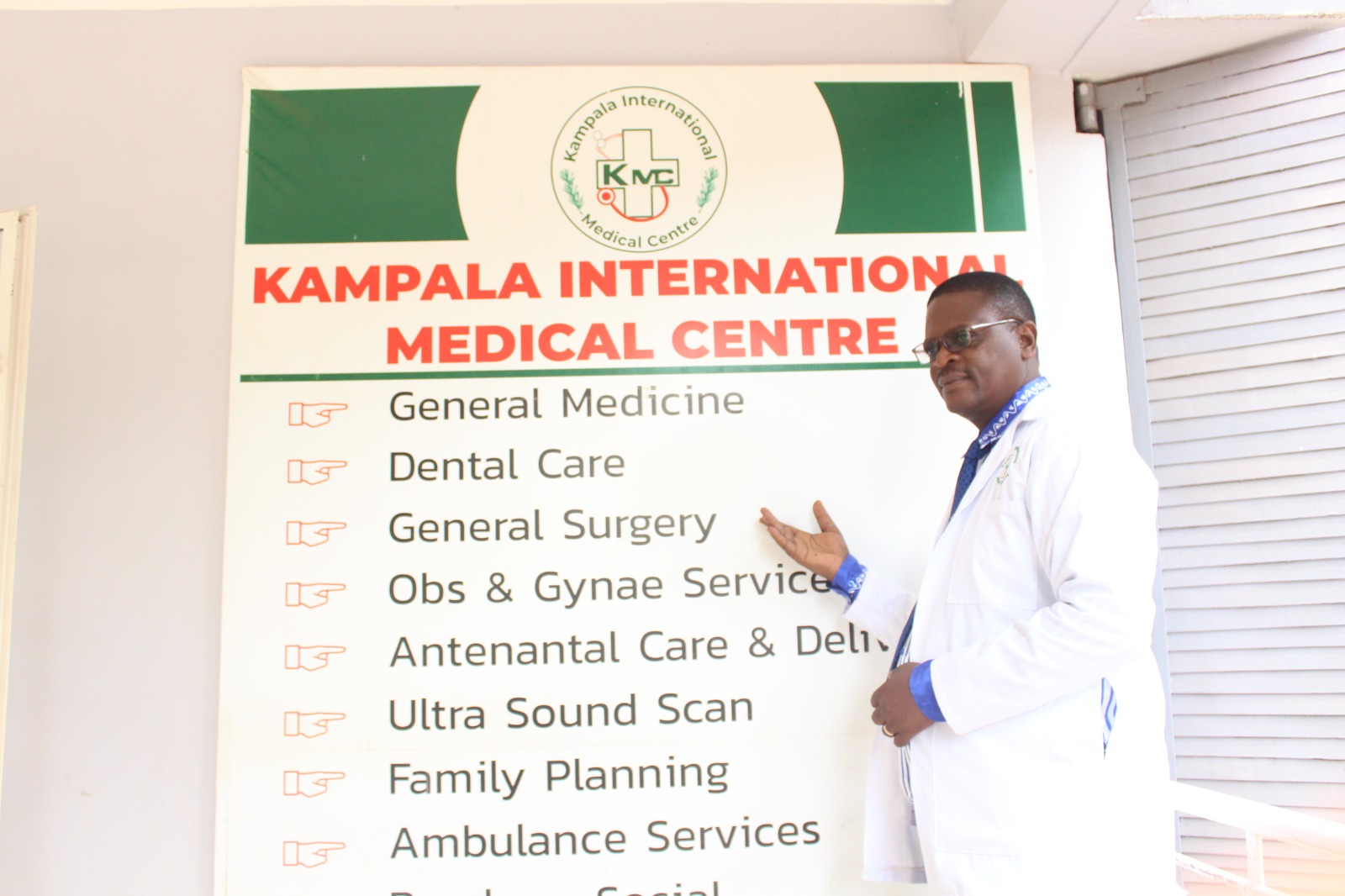
Lulume, who also serves as director of Kampala International Medical Centre in Kansanga, made the remarks during an interview with Bbeg Media at his facility.
He said Uganda had previously focused heavily on communicable diseases such as HIV/AIDS, malaria, tuberculosis and whooping cough, leaving conditions like diabetes under-prioritised.
“We started a parliamentary forum on non-communicable diseases after realising that we had not given enough attention to illnesses like diabetes. We are now educating our people about the dangers of diabetes and the need for early detection,” he said.
According to Lulume, diabetes mellitus is affecting hundreds of thousands of Ugandans and is increasingly being diagnosed among young people across both genders. He warned that the disease, once considered largely a condition of older adults, is now common among the youth due to lifestyle changes.
He listed excessive thirst, frequent urination, persistent fatigue and unexplained weight loss as some of the common warning signs. In men, he added, erectile dysfunction and low testosterone levels may also be linked to underlying diabetes.
Other symptoms include blurred vision, slow-healing wounds and tingling or numbness in the hands and feet, a complication known as neuropathy.
Lulume attributed the rising cases to lifestyle factors such as smoking, prolonged physical inactivity, excessive alcohol consumption and unhealthy eating habits. [WATCH VIDEO]
He noted that diabetes, which broadly comprises Type 1 and Type 2, results in persistently high blood sugar levels that can become toxic and damage body organs and tissues if left untreated.
“When blood sugar remains uncontrolled, it affects the normal functioning of body cells and vital organs,” he said. “That is why early diagnosis and proper management are critical.”
He called on members of the public to prioritise routine medical check-ups, including blood and urine tests, to enable early detection and treatment not only of diabetes but also of other non-communicable diseases.
Lulume expressed concern that many Ugandans delay seeking medical care despite spending significant amounts of money on alcohol and meat consumption.
“People are willing to spend on leisure and lifestyle, but they hesitate to invest in their health. We need a change in mindset. Prevention is better and far cheaper than treatment.”
He urged the government to strengthen community outreach programmes and integrate diabetes screening into primary healthcare services to curb the growing threat.
“With the right information and early action, many of these cases can be prevented or effectively managed,” Lulume said.