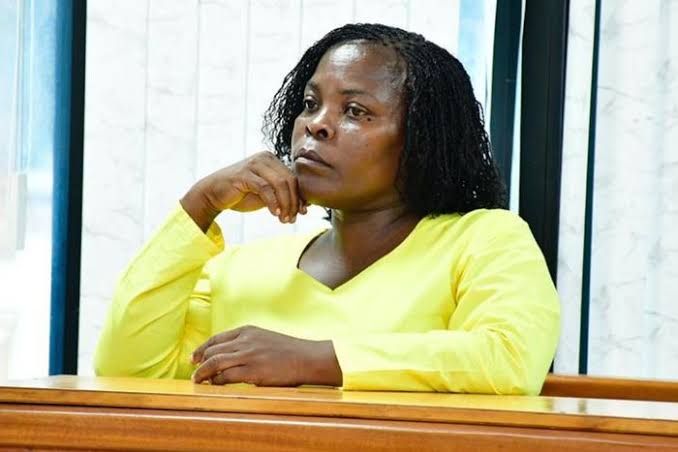
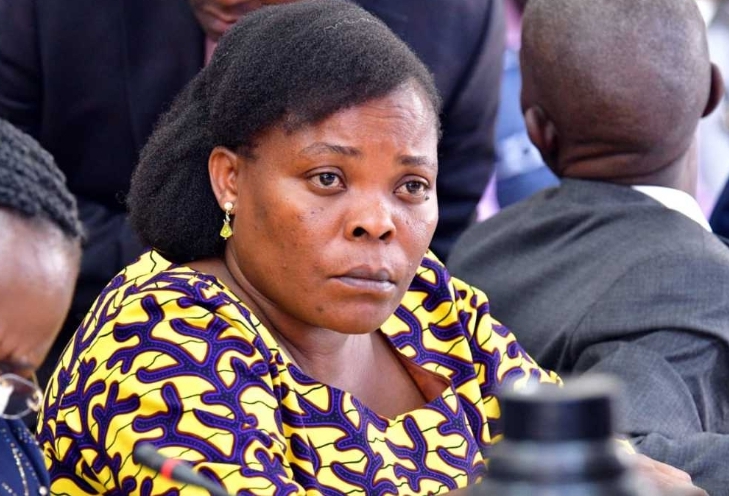
The High Court has ruled that businesswoman Molly Katanga has a case to answer regarding the death of her husband, Henry Katanga at their Mbuya home in 2023.
In a ruling delivered on Thursday morning, Justice Rosette Kania found that the prosecution had presented sufficient evidence requiring Katanga to respond to the charge.
Molly’s lawyers had wanted the case to be dismissed because in their view, the prosecution had presented a weak case but Justice Kania said the threshold at this stage was not proof beyond reasonable doubt, but whether a prima facie case had been established.
The court also ruled that Molly’s daughters, Patricia Kakwanza and Martha Nkwazi, as well as the family’s shamba boy George Amanyire and another accused person, Charles Otai, also have a case to answer on charges linked to the death and alleged interference with the crime scene.
Henry Katanga, a well known businessman in Kampala’s financial circles, died from a gunshot wound at the couple’s home in Mbuya in November 2023. His death triggered intense public debate, with early reports suggesting he had been found with a gunshot injury in what was initially described as a possible suicide.
However, investigators later charged Molly Katanga with murder, alleging that she unlawfully caused her husband’s death. The state further accused the daughters and the two male co accused of tampering with the scene and attempting to defeat the course of justice.
During the trial, prosecutors presented forensic experts, police investigators and medical witnesses in a bid to reconstruct the events of the night Henry Katanga died. They questioned the handling of the firearm recovered at the scene and pointed to inconsistencies in witness accounts.
Defence lawyers, on the other hand, argued that the prosecution’s case was built on speculation and circumstantial evidence. They maintained that there was no direct proof linking Molly Katanga to the fatal shooting and urged the court to acquit all the accused without requiring them to enter a defence.