In 2019, a heavy storm destroyed Joseryn Kyosimire’s banana plantation in Rushenyi, Ntungamo.
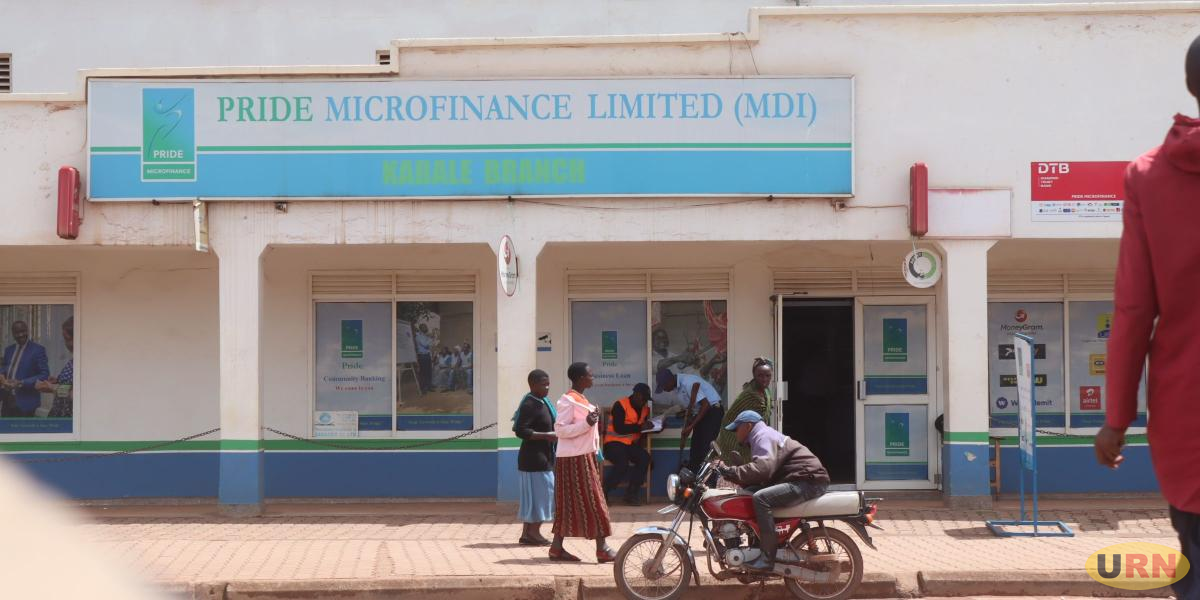
Lucky for her, she had taken an agricultural loan of Shs 15 million from Pride Microfinance, and a tiny percentage of that loan (1.75%) was deemed as insurance. A loan officer at Pride had assured her that in case of a loss, the insurance would clear the loan.
As she nursed her loss, she remained confident that at least the insurance company, Liberty Life Assurance, contracted by Pride Microfinance, would clear the loan like she had been told.
Instead, her belief turned into tears. Pride Microfinance, which had assured her that she had an insurance cover, started threatening to attach her property if she did not clear their loan.
Kyosimire decided to sue Liberty Life Assurance and Pride Microfinance in the Chief Magistrate’s Court in Mbarara. She wanted a declaration that she did not owe them any money, a permanent injunction to stop the sale of her land in Rushenyi, Nyarubungo, and damages.
She told the court that after the storms destroyed her plantation in September 2019, Pride assured her the insurer would compensate the outstanding loan because it was insured, but the credit institution continued charging interest.
Kyosimire said after some pressure, Liberty Assurance eventually paid Shs 1.4 million, but the bulk of the loan remained.
Pride Microfinance argued that, according to their books, Kyosimire still owed them Shs 12.8 million.
In September 2023, the magistrates’ court ruled in Kyosimire’s favour. The court declared that she did not owe any money and ordered Liberty Assurance to compensate Pride Microfinance with Shs 7.6 million as the outstanding balance plus interest, reasoning that the loan had been fully insured.
The insurance firm appealed the decision in the High Court in Mbarara.
Its lawyer, Tewa Rose, argued that the magistrate had failed to properly evaluate the evidence and misinterpreted the insurance policy. She insisted indemnity was limited to assessed loss, not the entire outstanding loan.
She further argued that Kyosimire had no cause of action against Liberty Life Assurance.
But Kyosimire’s lawyer, Godfrey Bakwatanisa, countered that insurance contracts must be enforced as agreed. He maintained the policy required indemnity for “yield shortfall due to excessive rainfall, drought, and windstorm”.
Pride Microfinance’s lawyer, Edith Babirye, supported Kyosimire’s stand, telling the court that there was a valid binding insurance contract policy where the insurer was to indemnify the insured against the outstanding loan balance and interest.
From the above, it could appear like the case was straightforward, but lawyers will tell you a case can take a sharp turn on one small issue. And it did.
Justice Kinobe blocks Makerere staff tribunal from awarding Prof Barya Shs 100 million
Justice Allan Nshimye, who presided over the matter, carefully re-evaluated the evidence as required of a first appellate court. He noted that witnesses referred to insurance policies for 2020 and 2021, not 2019, when the storm struck.
So he asked: Which insurance policy was used by the magistrates’ court to make its ruling?
“The policies referred to… are different, and more concerning is that they all do not relate to the year 2019 when the hailstorm destroyed the 1st respondent banana plantation,” he said.
Without a 2019 policy on record, Justice Nshimye said Liberty Assurance could not be held liable for Kyosimire’s troubles.
He added that “without reading the terms of the insurance policy or agreement for 2019, there is no basis for the court to order Liberty to indemnify Pride Microfinance.”
Pride Microfinance was dragged into the matter because it was the lender that deducted 1.75% from the loan as insurance cover for Kyosimire.
As we explained earlier, the lender assured her the insurance would clear the loan in case of loss.
And yet, for 2019, when the storm destroyed the plantation, Pride Microfinance did not provide Kyosimire with any documents to prove her loan had been insured.
This infuriated Justice Nshimye, who said the Bank of Uganda’s Financial Consumer Protection Guidelines require lenders like Pride Microfinance to be transparent and to provide borrowers with key documents in plain language.
“Pride Microfinance had a duty to be transparent by providing Kyosimire with the necessary documentation of the insurance cover she paid for,” Justice Nshimye said.
Instead, he said, the credit institution collected the premium but produced no 2019 policy in court.
So Justice Nshimye said that because of this negligence, Pride Microfinance, not Liberty Life Assurance, should be held “responsible for the undertaking it gave to Kyosimire that in the event of loss… the loan and interest shall be settled.”
He declared that Kyosimire does not owe Pride Microfinance any money on the agricultural loan agreement executed on 19th September 2019 and ordered the lender to pay Kyosimire’s costs in the lower court and for the appeal.
Justice Nshimye did not award specific damages, but his ruling freed Kyosimire from a Shs 15 million loan burden.
For you, reading this story and hoping to borrow money from a credit institution in the future, the lesson here is that if a bank deducts insurance from your loan, it must show you the policy.
Plain and simple!