The Public Procurement and Disposal of Public Assets Authority (PPDA) has announced plans to strengthen the use of digital systems in government procurement as part of efforts to reduce corruption and improve transparency.
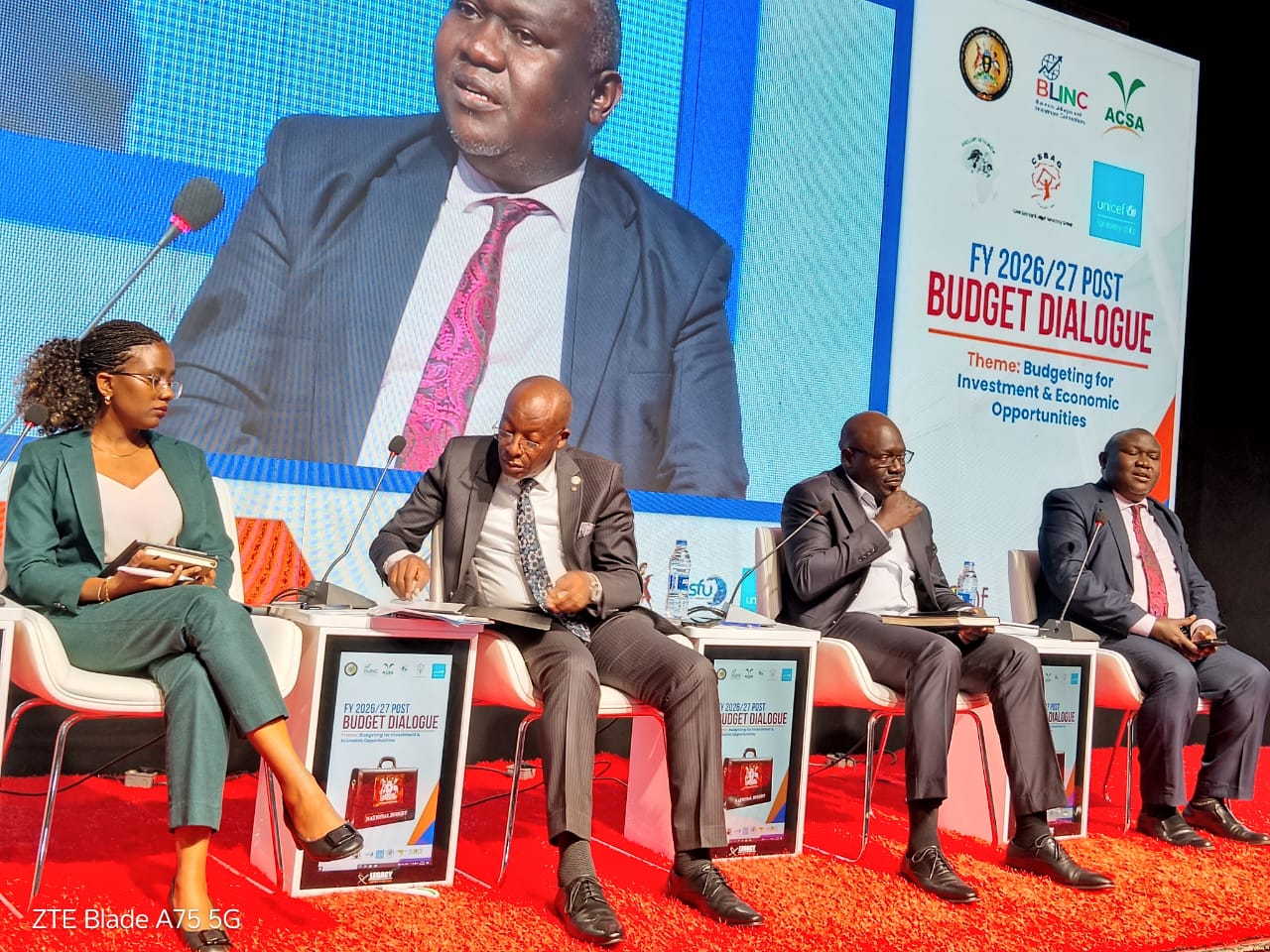
Speaking during a post-budget discussion on the Financial Year 2026/27 budget, PPDA executive director Benson Turamye said the authority is moving away from manual procurement processes, which he described as vulnerable to manipulation and corruption.
Turamye explained that under the new digital procurement system, contractors bidding for major government projects such as roads, dams and other infrastructure works will no longer need to engage in physical discussions with government officials during the procurement process.
“The entire process will be conducted digitally to minimise opportunities for corruption and ensure fairness,” he said.
According to Turamye, digital procurement will also improve service delivery, make evaluations easier and enhance accountability throughout the procurement cycle.
He noted that PPDA, as the regulator of government procurement, has established frameworks to ensure transparency in the acquisition and disposal of public assets.
These include government purchases of motor vehicles, vehicle tyres, office stationery, machinery, paper and other supplies. He said all procurement activities must be properly accounted for and conducted in a transparent manner.
During the same discussion, Julius Mukunda, the executive director of the Civil Society Budget Advocacy Group (CSBAG), urged Ugandans to take advantage of the opportunities created by the new budget.
Mukunda said the government had allocated resources to support small and medium enterprises, small-scale farmers, large-scale farmers and the wider business community.
“Many groups have been catered for in this budget. Citizens should position themselves to benefit from the available opportunities,” he said.
However, Mukunda called on government to reduce expenditure on official ceremonies and public celebrations and instead direct more resources towards critical sectors that can improve service delivery.
He also stressed the need to strengthen mechanisms for fighting corruption, arguing that leakages continue to undermine the impact of public spending.
Meanwhile, entrepreneur Dr Thadeus Musoke encouraged business people to familiarise themselves with government policy directives and investment priorities.
He said the government’s focus on Agro-industrialisation, Tourism Development, Mineral Development, including Oil and Gas, and Science, Technology and Innovation, commonly known as the ATM strategy, presents significant opportunities for Ugandans.
“These are areas where Ugandans can invest, create jobs and contribute to economic growth,” Musoke said.
He advised importers to focus on bringing in raw materials and products that are not manufactured locally instead of importing finished goods that can be produced in Uganda.
“If you are an importer, consider importing inputs such as industrial chemicals and other materials that support local production,” he said.
Musoke also welcomed government initiatives such as the Agriculture Credit Facility, saying the programme provides affordable financing that can help farmers expand production and commercialise agriculture.