The government has been ordered to pay Shs 10 million for unlawfully detaining three youth climate activists.
In a recent ruling, the High Court found that the activists’ right to personal liberty under Article 23(4)(b) of the Constitution was violated when they were held by police for more than 48 hours without being produced in court.
The court ordered the government to pay general damages of Shs10 million and 50% of the taxed costs of the suit.
The case was filed in June 2024 by the activists with the support of the Africa Institute for Energy Governance (AFIEGO) after their arrest during a protest linked to the East African Crude Oil Pipeline (EACOP).
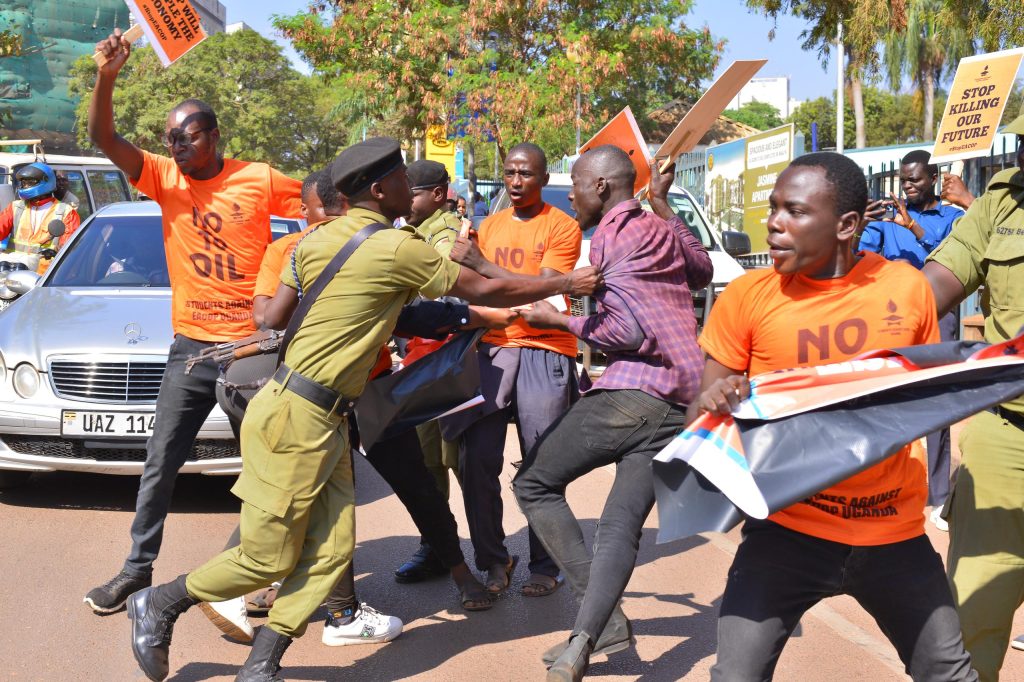
The court heard that on November 24, 2023, the activists assembled to march peacefully to Parliament to deliver a petition raising concerns about the project.
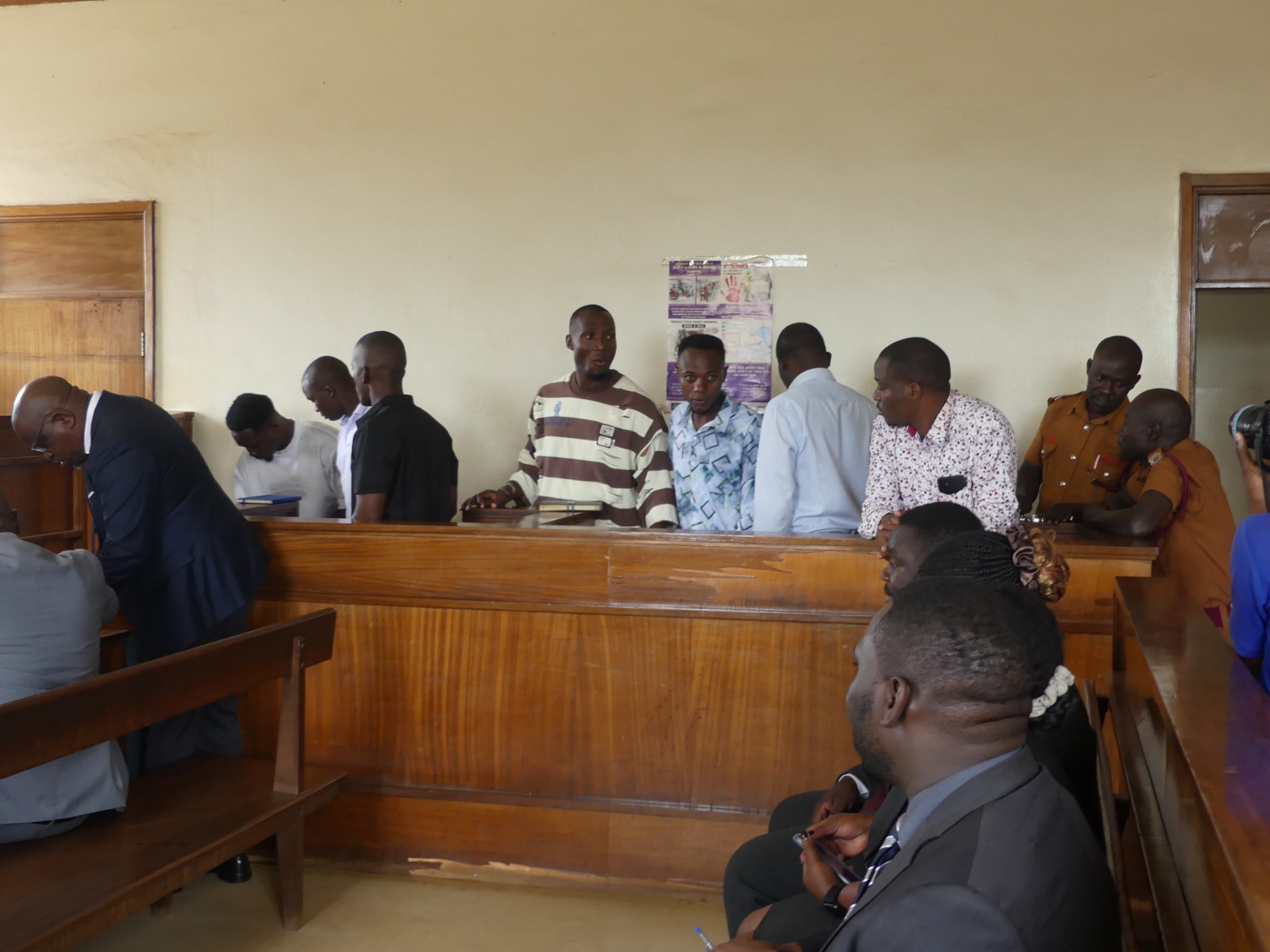
They told the court they were intercepted by police officers, violently arrested, beaten, humiliated, stripped, and detained incommunicado. They were later produced in court on November 28, four days after their arrest.
The applicants argued that their detention violated their constitutional rights, including liberty, dignity, and freedom from torture, as well as freedoms of assembly and expression under Articles 24, 28, and 29 of the Constitution.
They also sought declarations that the police officers were unfit to hold public office, a permanent injunction against further violations, and compensation for the alleged abuses.
In its defence, police argued that the delay in producing the activists in court was due to the weekend, which they said made it impossible to process the suspects within the 48-hour constitutional limit.
However, the judge rejected that argument, ruling that administrative inconvenience could not override constitutional guarantees. The court noted that suspects could have been released on police bond.
In the ruling, the judge stated that the Constitution requires suspects to be presented before a court within 48 hours of arrest, regardless of weekends or administrative delays.
The court declined to grant other prayers, including removing the officers from their positions, and held that there was insufficient evidence to prove allegations of torture during detention.
One of the activists, Ivan Elvis Sanya, welcomed the ruling but said the compensation awarded was too low compared with the suffering they endured.
Dickens Kamugisha, chief executive officer of AFIEGO, said the judgment reaffirms constitutional freedoms, including liberty, peaceful assembly, and expression.
He added that it also highlights that public officials can be held personally liable for violations of citizens’ rights, even when acting on orders.
The ruling comes as Parliament considers the Protection of Sovereignty Bill, which has drawn concern from rights groups over its potential impact on civil liberties.