By Mathias Jumba
For years, Ntinda was largely seen as a residential suburb where people returned at the end of the workday. That description is now outdated.
The area is evolving into a self-sustaining commercial hub within Kampala, with growing implications for how financial institutions position themselves to serve customers.
At dfcu Bank, the purpose of transforming lives and businesses in Uganda is reflected in how and where the bank operates. Its presence is guided by real economic activity and customer needs.
Around Capital Shoppers and the surrounding streets, the shift is visible. Foot traffic remains steady throughout the day. The area is busy with traders, professionals, delivery riders, small business owners and customers.
Economic activity is no longer limited to specific hours. It is continuous.
This transformation is being driven by both individuals and businesses. Residential properties are increasingly being converted into offices, clinics, retail outlets and service businesses.
Small and medium-sized enterprises are establishing themselves in Ntinda, supported by accessibility and a growing customer base.
Ntinda’s location has further strengthened this growth. It connects directly to Nakawa, Bukoto, Kiwatule and the Northern Bypass, making it a convenient point for both residential and commercial activity.
As a result, the boundary between living and working spaces is becoming less clear.
For banks, this shift calls for a deliberate response. Customers expect services to be easily accessible within their daily routines. They also expect speed, reliability and financial solutions that meet both personal and business needs.
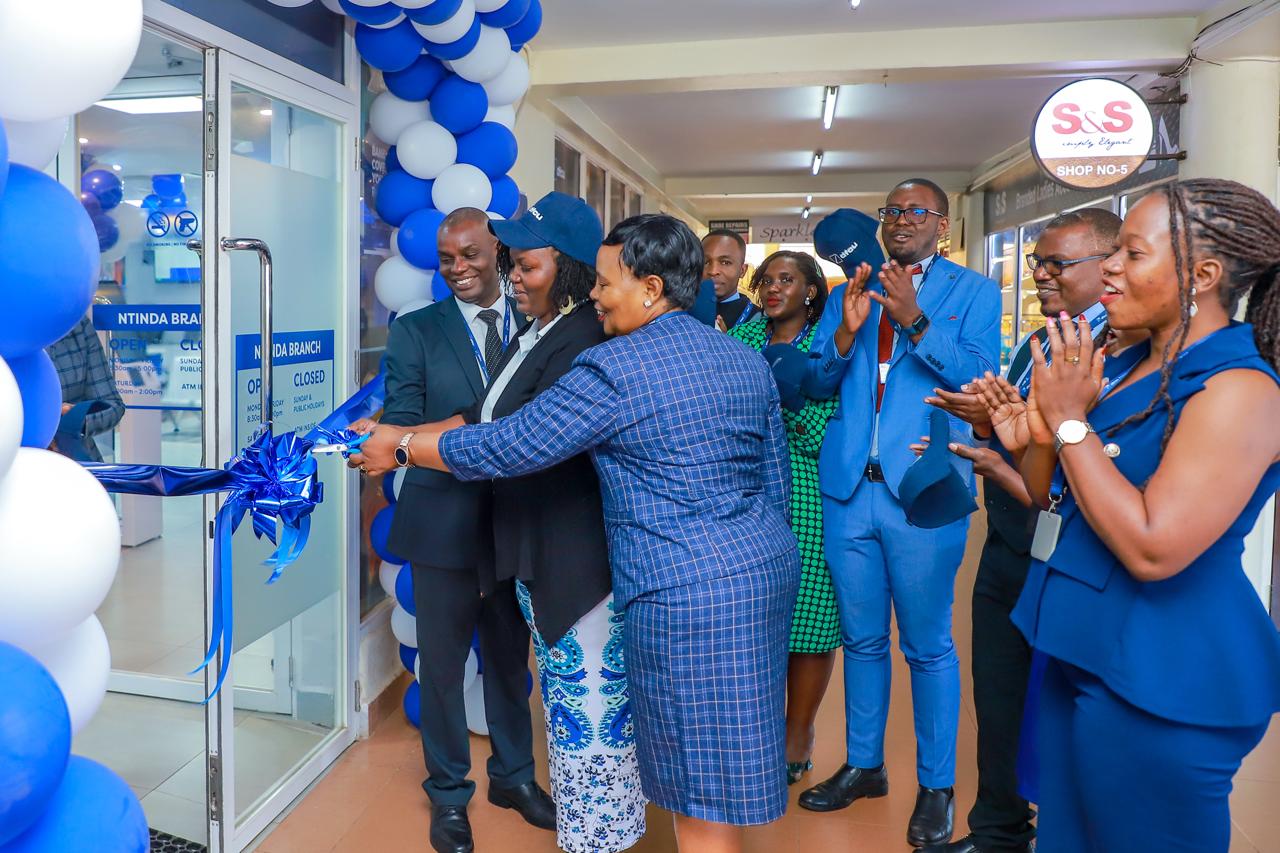
dfcu Bank’s decision to relocate its Ntinda branch from the second floor to the ground floor of Capital Shoppers reflects this approach.
The move, combined with an expanded footprint and additional staff, brings services closer to where transactions and customer interactions are taking place.
Physical branches remain important even as digital banking expands.
While digital channels improve efficiency and access, branches continue to play a key role in advisory services, complex transactions and relationship management. The focus is on integrating both to deliver a consistent customer experience.
Across its network of more than 50 branches, dfcu Bank says its expansion is guided by areas with growing economic activity.
Locations such as Mbale, Gulu, Mbarara, Fort Portal and Namanve Industrial Park reflect this strategy. Ntinda now clearly fits within that pattern.
As more businesses establish themselves in areas like Ntinda, demand for working capital, transaction services and financial advisory is expected to rise.
What is happening in Ntinda reflects a wider shift across Kampala. Areas that were once predominantly residential are becoming mixed-use, with business and residential activity existing side by side.
This transition is gradual but is reshaping how the city functions.
The presence of dfcu Bank at the ground level of Capital Shoppers aligns with this reality and positions the bank to remain accessible and relevant to its customers.
Ntinda is no longer defined only by where people live. It is increasingly defined by where people do business.