The livestock subsector has been identified as a major contributor to agricultural greenhouse gas emissions, particularly methane from enteric fermentation and nitrous oxide from manure management and deposition on pasture.
Experts say these emissions are a growing concern as the country grapples with the effects of climate change on its agriculture-dependent economy.
In response, the government, through the Ministry of Agriculture, Animal Industry and Fisheries, is moving to establish a monitoring, reporting and verification system for livestock emissions.
The initiative is being implemented under the Uganda Climate Smart Agriculture Transformation Project with support from the World Bank.
Officials say the move follows the realisation that there is limited coordination, harmonisation and documentation of research efforts on livestock emissions in Uganda.
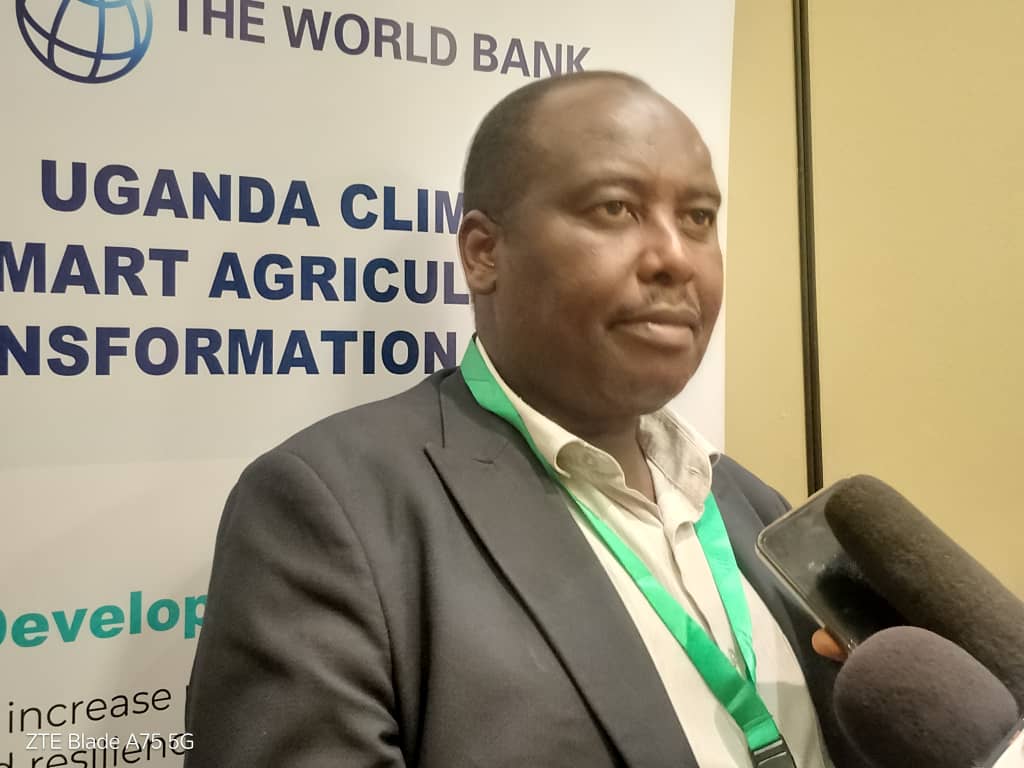
Prof Samuel Majalija, director of research at the National Livestock Resources Research Institute, said researchers are working closely with government to develop clear guidelines to address the challenge.
“As researchers, we are key stakeholders. We are working towards ensuring that proper guidelines are put in place to save the environment and guide farmers on modern methods of animal feeding,” he said.
Majalija added that emissions from livestock waste, especially cow dung, must be reduced because of their impact on the environment.
Dr Ibrahim Wanyama from Kenya’s ministry of Agriculture emphasised the need for strong and practical guidelines to support technical teams in tracking emissions.
He said such systems have already been implemented in Kenya and can help Uganda better respond to the challenges posed by climate change.
Uganda’s agriculture sector remains highly vulnerable to climate change, with erratic weather patterns already affecting productivity.
At the same time, the sector continues to be a key pillar of the economy and a major source of livelihood for most of the population.
The livestock subsector, in particular, plays a critical role in ensuring food security and supporting household incomes, making it essential to balance productivity with environmental sustainability.