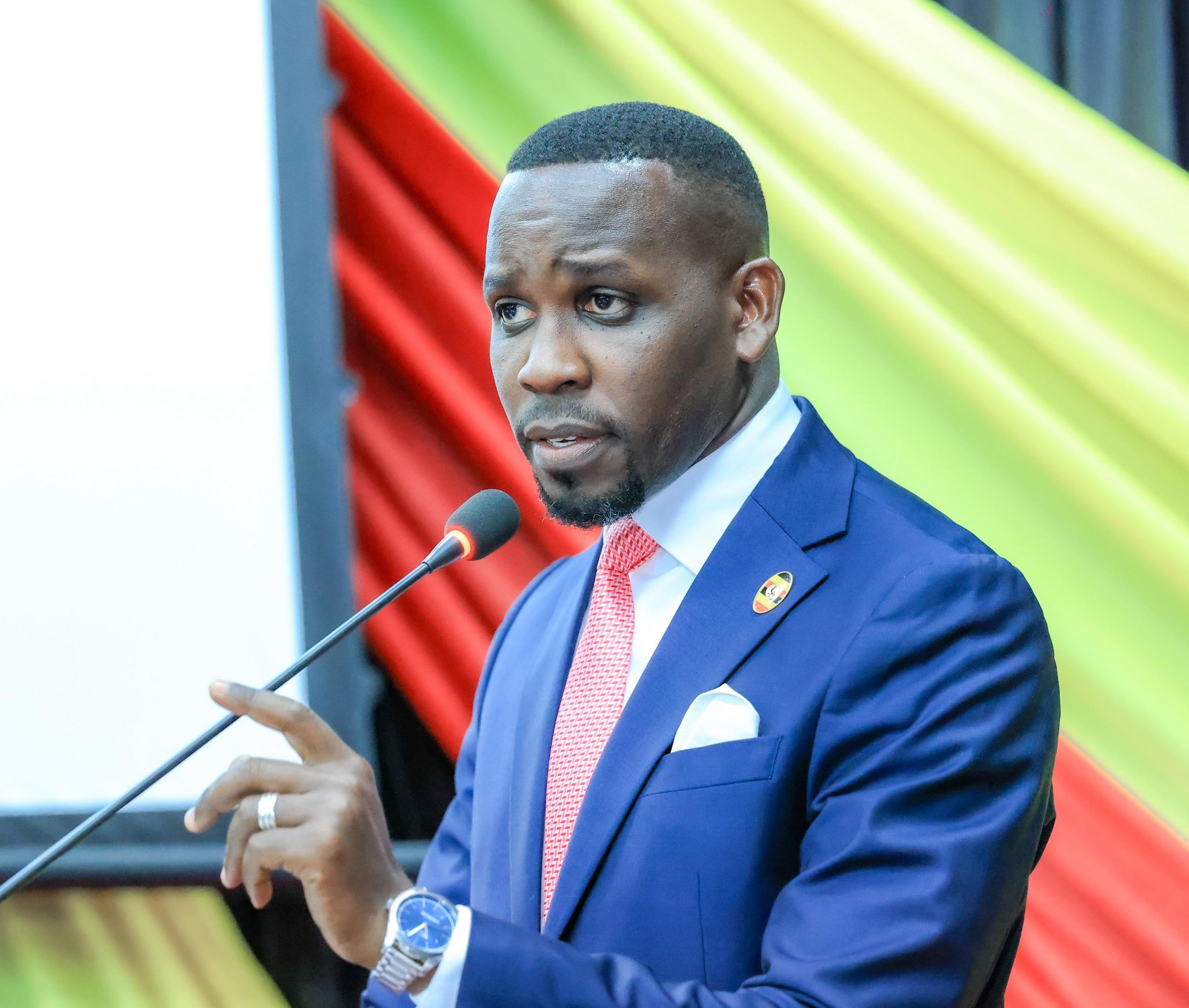
The Leader of the Opposition, Joel Ssenyonyi, has criticised the government for selectively bailing out private companies without clear benefits to Ugandans.
Ssenyonyi made the remarks on Tuesday during the launch of the opposition’s Alternative Budget Priority Areas for the 2026/27 financial year at Parliament.
“Our approach is guided by fiscal discipline, realism and prioritisation,” Ssenyonyi said.
“We propose a more realistic resource envelope of Shs 71.4 trillion aligned with actual economic performance.”
Ssenyonyi, who is also the Nakawa West MP, accused the government of continuing to inject taxpayer funds into private companies with little or no measurable impact.
He cited several examples, including Shs 180 billion disbursed to Inspire Africa Coffee in Ntungamo, which he said has yet to demonstrate tangible results.
He also pointed to Shs 724 billion allocated to Dei Biopharma, which had promised to develop a Covid-19 vaccine and manufacture medicines, but has not delivered on those commitments.
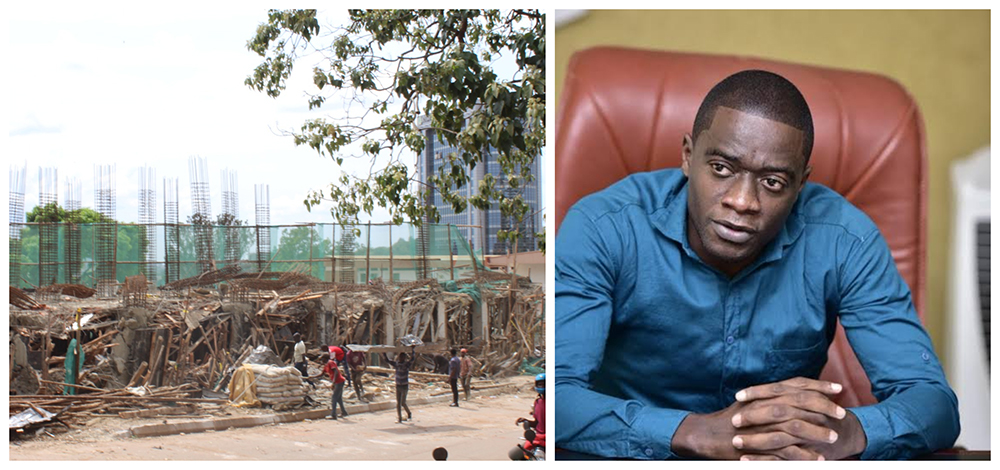
Other beneficiaries, he said, include Roko Construction Company, which received Shs 263 billion as a bailout, and Atiak Sugar Factory, which reportedly received Shs 668 billion despite not producing sugar.
The government has defended the bailouts, saying it was acquiring equity stakes in the companies.
However, Ssenyonyi questioned the lack of transparency, saying there was no clear valuation of the companies and no binding agreements to safeguard public funds.
He also criticised what he described as uneven economic policy, arguing that while some companies receive subsidies, others are subjected to heavy taxation.
Ssenyonyi warned that many government suppliers and service providers are facing financial distress due to delayed payments, leading to job losses and the collapse of businesses.
He further expressed concern about Uganda’s rising debt burden, saying a significant portion of the 2026/27 budget would go towards debt servicing, refinancing and fixed costs.
“Ugandans are facing a fiscal reality where, for every Shs 1,000 collected in taxes, about Shs 330 goes directly to debt servicing. This is not sustainable for a country that is pursuing development,” he said.
He added that poor planning has resulted in idle loans that attract commitment fees, further increasing the cost of borrowing.
Ssenyonyi also criticised the government for setting ambitious tax targets that do not reflect economic realities, warning that this could lead to aggressive taxation and place additional pressure on small businesses.