
By John B. Habumugisha
Uganda’s ambition to connect with the global economy dates back to the 1850s, during the era of early explorers.
The railways and ports built then laid the foundation for regional trade and integration, many of which still support African economies today.
More than a century later, East Africa is undergoing another transformation.
With major infrastructure projects such as the Standard Gauge Railway in Kenya and Tanzania, the Kigingo–Busisi Bridge across Lake Victoria, and the East African Crude Oil Pipeline (EACOP), the region is making deliberate investments in its future.
This time, however, there is a notable shift: local expertise is increasingly at the centre of planning, design, and execution.
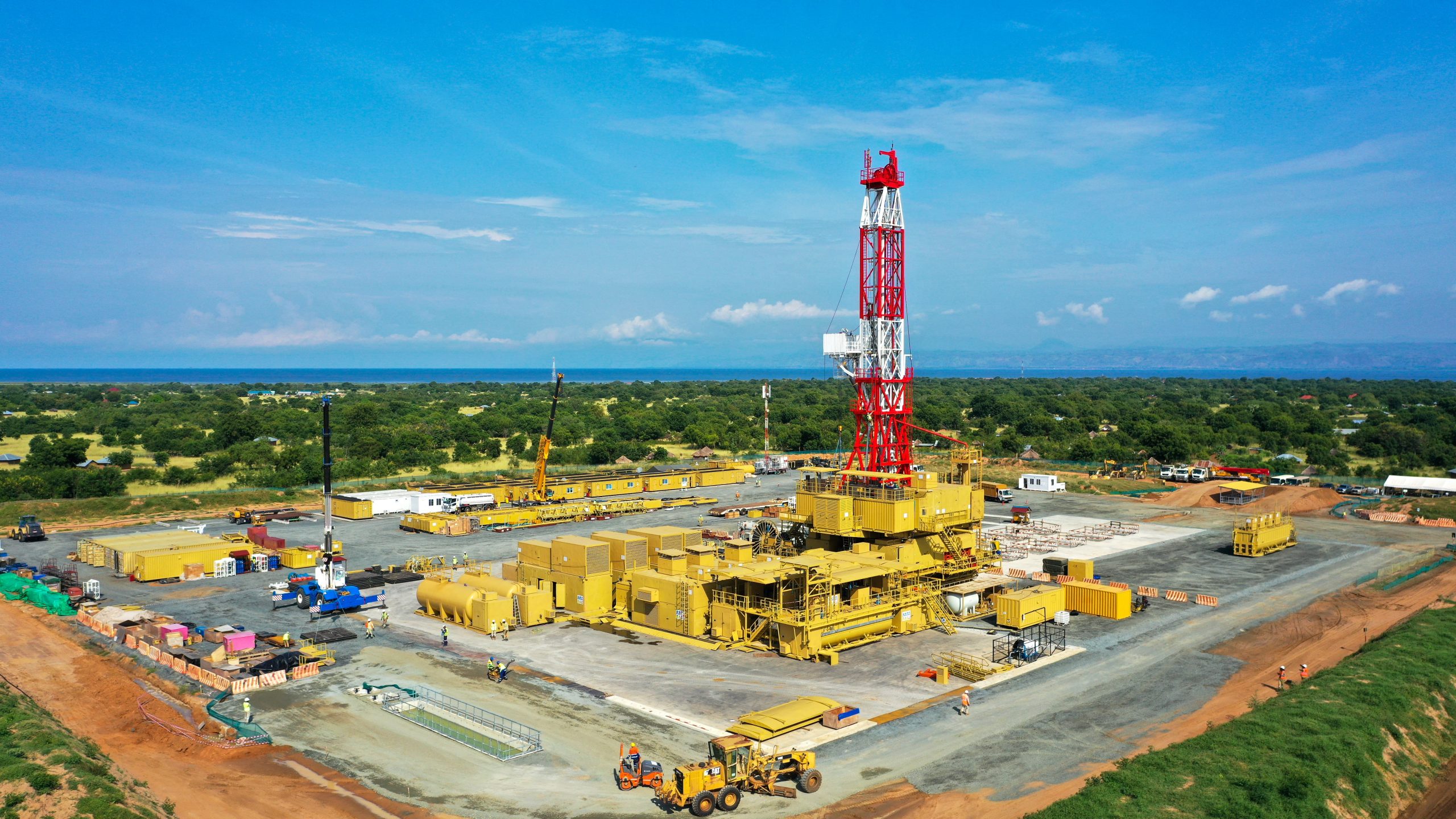
Among these projects, EACOP stands out—not just for its scale, but for its technology.
Stretching 1,443 kilometres from Uganda’s oil fields to the Tanzanian coast, EACOP is one of Africa’s most technologically advanced pipelines.
Often described as a “smart pipeline,” it integrates digital monitoring systems designed to ensure safety, efficiency, and environmental protection.
The project is now over 80 percent complete, with all pipeline materials delivered, more than 1,400 kilometres welded, and about 800 kilometres already backfilled.
But what exactly makes it “smart”?
Unlike traditional pipelines, EACOP is equipped with a fibre-optic cable system that runs alongside the pipe. This system acts like a digital nervous system, continuously detecting temperature changes or unusual vibrations.
In the event of a potential leak, it can pinpoint the exact location within metres, allowing for immediate response.
At the centre of operations is the SCADA (Supervisory Control and Data Acquisition) system, which functions as the pipeline’s brain.
From control centres, engineers can monitor pressure, flow rates, and valve conditions in real time. The system also allows operators to remotely shut down sections of the pipeline quickly, reducing risks in case of emergencies.
The pipeline’s construction also reflects modern engineering standards. Pipes are coated with specialised materials to prevent corrosion and maintain optimal temperatures, ensuring efficiency across long distances.
Beyond technology, EACOP is also reshaping economies and communities.
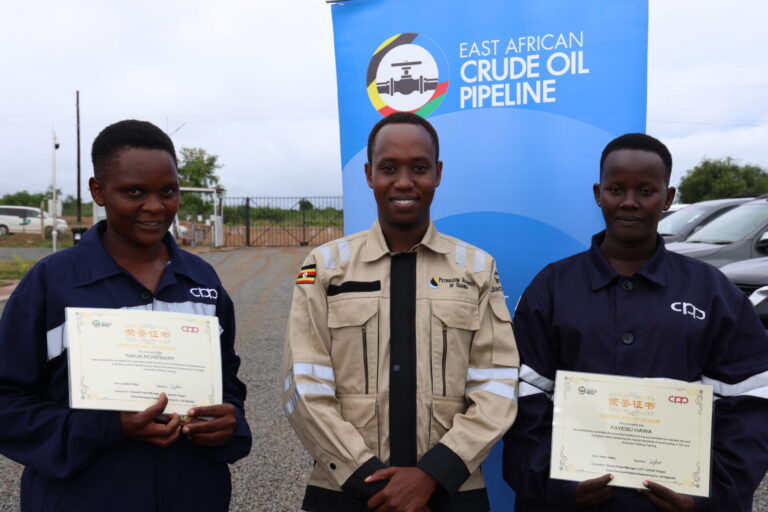
In Uganda and Tanzania, local participation has been significant. Ugandans make up over 90 percent of the workforce involved in the project, contributing across various stages of construction and operations.
This emphasis on national content is helping build a skilled labour force.
Training initiatives, including partnerships with universities and the EACOP Academy, have already equipped more than 1,500 young people with skills in welding, engineering, data analysis, and project management.
These skills are expected to benefit multiple sectors long after the pipeline is completed. The project has also accelerated investment in energy and transport infrastructure.
Power needed for oil operations has contributed to expanding electricity generation, while new and upgraded roads in the Albertine region are improving connectivity for local communities and businesses.
Supporters argue that EACOP could become one of the lowest-carbon pipeline systems of its kind, as it will largely rely on Uganda’s hydropower for energy.
Still, like many large-scale oil projects, EACOP has attracted debate, particularly around environmental concerns and long-term sustainability. These discussions are likely to shape how the project is viewed in the years to come.
Ultimately, the true impact of EACOP will not be measured only by the oil it transports, but by the legacy it leaves behind.
Will it create lasting infrastructure? Will it build skills and industries that outlive the oil itself? And will it help East Africa move from exporting raw materials to managing complex technological systems?
These are the questions that the next 10 to 20 years will answer.
For now, EACOP represents more than a pipeline. It is a test of whether the region can turn natural resources into long-term development and a more self-reliant future.
The author is the Deputy MD of EACOP.