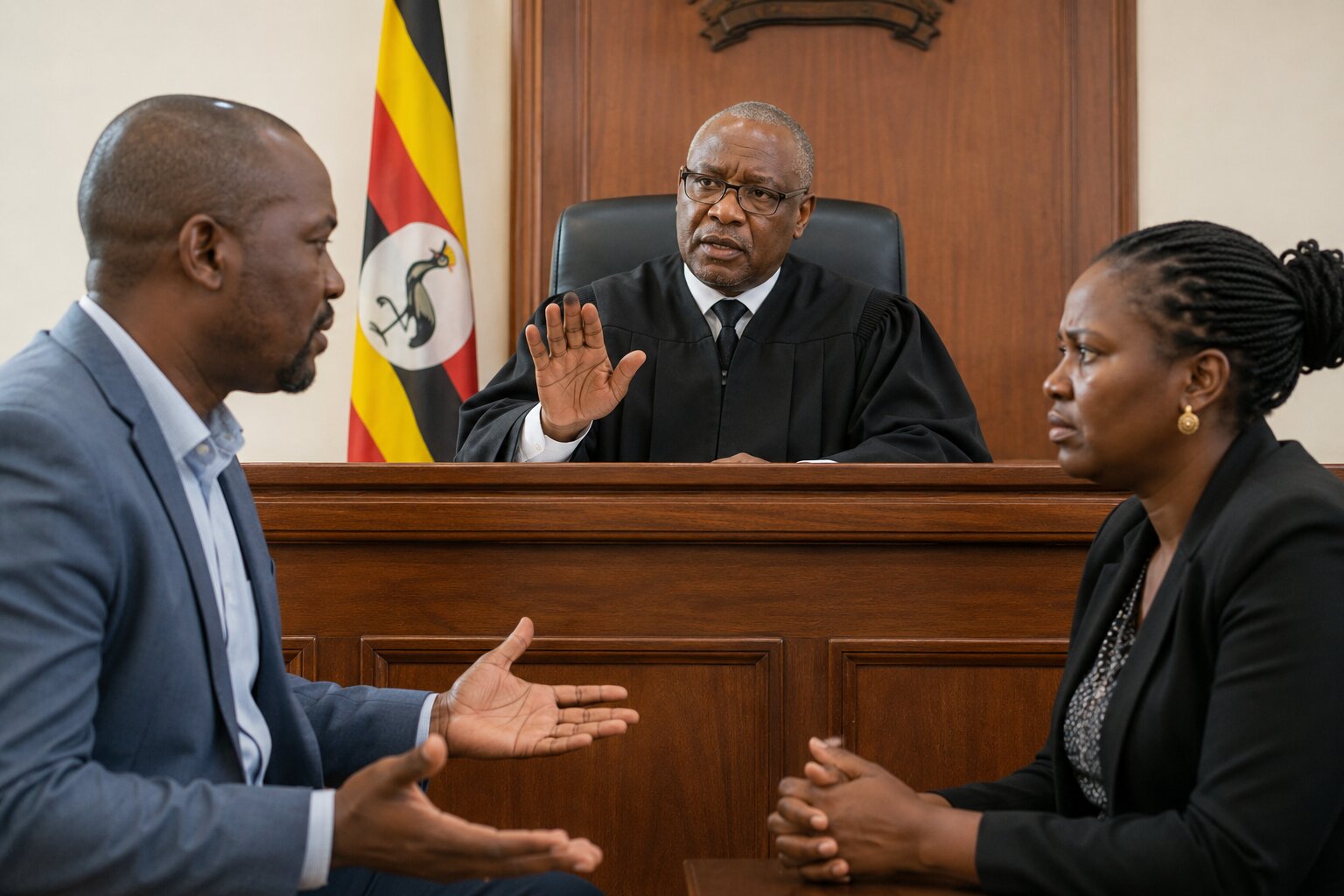
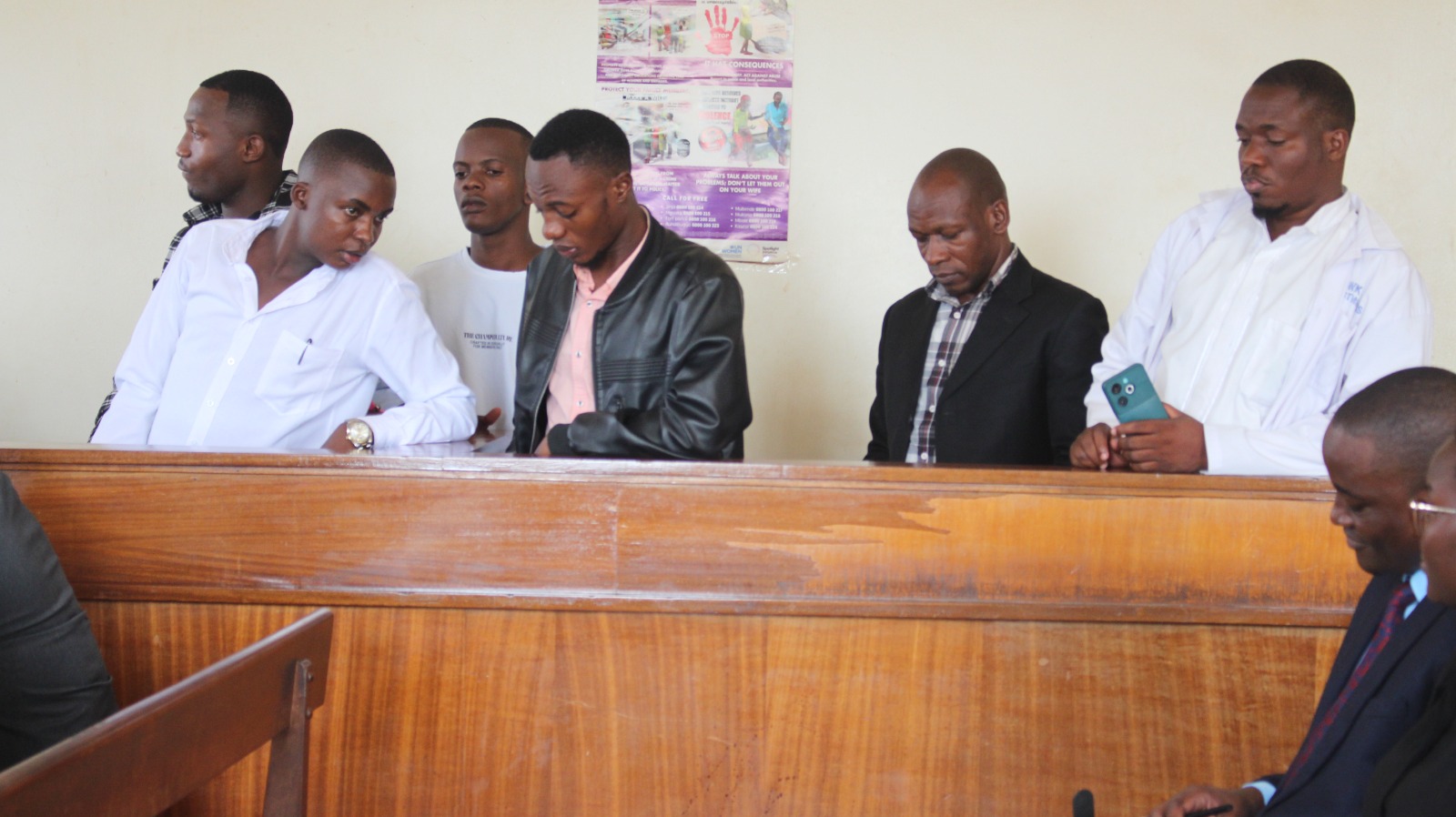
The Mwanga II court has halted an attempt by a suspect to record proceedings as a state digital forensic expert continued his testimony in the Pastor Robert Kayanja case.
The incident occurred shortly after the witness, Enock Kanene, a certified digital forensic examiner attached to the Naguru Cyber Crime Department, took the stand.
Chief state attorney Jonathan Muwaganya raised concerns that one of the suspects, Jamil Mwandha, was allegedly recording the session.
The presiding magistrate, Adams Byarugaba, immediately intervened and ordered Mwandha to surrender his phone. After inspecting the device, the magistrate directed him to switch it off and keep it away, reiterating that court proceedings must not be recorded.
Muwaganya told the court that only the defence had attempted to record the session and warned that any leaked audio would be attributed to them.
The warning follows an earlier court order issued last year barring both audio and video recording of witness proceedings.
Resuming his testimony, Kanene said he conducted a full file extraction of the submitted mobile phone using specialised forensic tools capable of retrieving all data, including deleted files.
“I used a full file extraction tool to duplicate all files and databases and create a forensic copy,” he said.
He added that restricted areas of the device were accessed and information recovered from deleted sections.
Kanene told the court that the extracted data was analysed using a physical analyser tool, which recreated a user interface similar to that of the original phone to enable detailed examination and report generation, as guided by a court order.
He said the entire process underwent internal review. His immediate supervisor examined the findings before the head of department approved the report.
The report, referenced as DFS/196/016/026 and dated January 12, 2026, was later signed by the director of the forensic department.
According to the witness, the request for analysis was made by Ojambo and Ojambo Advocates, supported by a court order from the Mengo court. The exhibit, a mobile phone, was received on December 2, 2025.
Under cross-examination by defence lawyer Bernard Mugenyi, Kanene said the analysis focused on extracting WhatsApp messages, screenshots, and communications linked to specific keywords, including “sodomy” and a contact saved as “Mzee”.
He said the phone contained two WhatsApp applications. One was a standard account linked to the number 0777473937. The other was a GB WhatsApp application recovered from deleted files.
The number 0751406503, referenced in the request letter, was saved in the contact list under the name “Mzee”.
Kanene told the court that multiple communications, including calls, SMS, and WhatsApp messages, were retrieved and analysed.
He added that the GB WhatsApp account was registered under the name Robert Kayanja and that the communications reviewed covered the period between October 2, 2020, and July 21, 2021.
Among the messages presented in court was one dated May 28, 2021, allegedly sent by an individual identified as Reagan, claiming that several individuals had been exploited and that some had disappeared under the direction of “Mzee”.
Other messages included requests for money, threats to disclose information publicly, and alleged blackmail attempts.
In one exchange, the sender requested financial assistance for accommodation and transport, warning that they would go public on social media.
Tension arose when the defence attempted to guide the expert into selectively reading certain responses without presenting the preceding messages.
The prosecution objected, arguing that the approach distorted the context of the evidence.
“You cannot scroll through more than 20 messages and only read a response,” the prosecution submitted.
The magistrate agreed and directed the expert to read the messages in full for clarity.
As more messages were read out, the court heard content suggesting threats, financial demands, and repeated follow-ups after periods of no response.
Kanene also testified about video files shared via WhatsApp. He clarified that although the report described them as forwarded, they had been sent as forwarded content.
The videos, which were played in court, reportedly showed individuals in distress, though their faces were not visible.
The prosecution challenged the wording used in the report, prompting further clarification from the witness.
At one point, the state accused the defence of focusing on technicalities rather than the substance of the communication.
The hearing is scheduled to resume on March 23, 2026, for continuation of cross-examination.