The High Court has allowed Buildnet to defend a Shs146.3 million claim lodged against it by Fujian Industries Park, a Chinese firm contracted to carry out construction work on some of Buildnet’s projects.
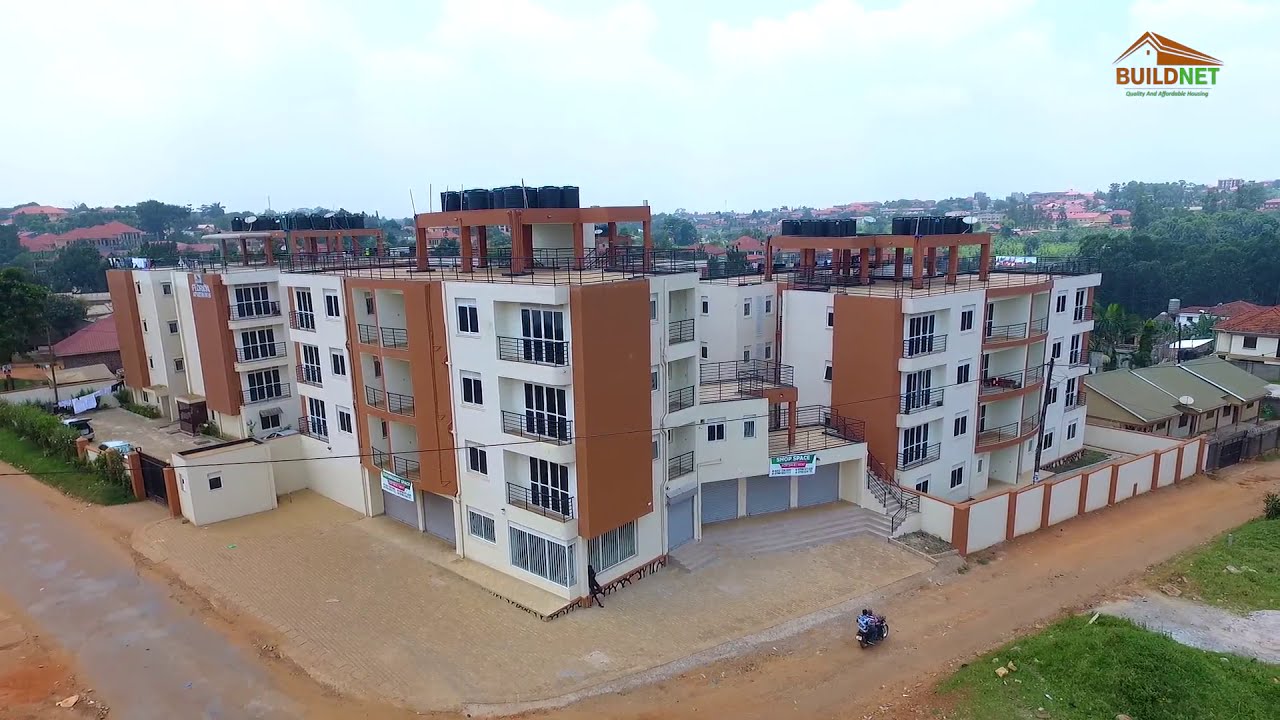
Buildnet is a prominent real estate development and management company in Uganda and has done several housing projects in Kampala and neighbouring areas. Some of its notable projects are Najeera Heights Apartments in Najeera and Water Front Hotel Apartments in Munyonyo.
In a ruling, Justice Thomas Ocaya saved Buildnet’s neck when he rejected arguments by Fujian that the company had no defence and should automatically pay the claimed sum.
The judge held that the case was not suitable for summary disposal as Fujian had requested because the parties were contesting how several separate construction contracts were executed, completed, and paid for.
The dispute arises from a commercial relationship between Buildnet Construction Material and Hardware Limited and Fujian Industries.
According to court records, the two companies entered into more than one construction-related contract. Fujian Industries Park says it carried out works under those contracts and is owed Shs146.3 million by Buildnet.
Based on that claim, Fujian filed a suit last year using a summary procedure. Under this procedure, Fujian did not want Buildnet to defend itself because it believed the matter was straightforward.
However, Buildnet responded by filing an application asking the court to allow it to appear and defend the suit.
The application was supported by an affidavit sworn by its managing director, Ibrahim Semaganda.
Semaganda told the court that Buildnet did not owe Fujian the amount claimed and accused Fujian of improperly lumping together different contracts into one claim.
“Fujian Industries has consolidated all the contracts that it has with us, yet each contract is independent with special terms,” Semaganda said.
Buildnet further argued that Fujian never formally notified it that the works had been completed and never requested final inspections or performance tests required under the contracts.
It also denied terminating any of the contracts, contrary to what Fujian had alleged.
Fujian Industries opposed the application and asked the court to reject Buildnet’s request to defend the case.
In an affidavit sworn by one of its directors, Chen Xuan Qin, Fujian argued that all the contracts were based on similar facts and should be resolved together to save court time.
He stated that Buildnet had admitted owing money and that the proposed defence was merely technical.
“On the advice of my lawyers, I believe that the suit is premised on similar facts and contracts executed by the same parties and saves court time to resolve all of them together,” Qin said.
Fujian insisted that all contractual works were fully executed, handed over, and completed.
Buildnet was represented by Jamil Mugalula and Co Advocates, while Fujian Industries Park was represented by Task Advocates.
Buildnet’s lawyers argued that the summary procedure was being abused because the dispute involved contested facts that could only be resolved at trial.
They maintained that each contract had its own payment terms, completion requirements, and certification process, which had not been followed.
Fujian’s lawyers countered that Buildnet was trying to delay payment by raising technical objections. They argued that the debt was admitted and that the court should enter judgment immediately without allowing a defence.
Remax Uganda ordered to refund buyers Shs3.8bn in collapsed Naguru-Nakawa housing deal
Ruling
Justice Ocaya carefully explained the law governing summary suits under Order 36 of the Civil Procedure Rules.
He noted that the summary procedure is meant for clear cases where there is no defence and no issue to try.
He cited the Supreme Court decision in Post Bank Uganda v Abdul Ssozi, which held that a summary procedure exists to prevent defendants from delaying commercial claims with frivolous defences.
However, Justice Ocaya emphasised that once a defendant shows that there is a genuine issue to be tried, summary judgment must fail.
He rejected the argument that a simple denial of debt is enough, warning that this would defeat the entire purpose of the summary procedure.
Justice Ocaya found that Buildnet had raised genuine and serious questions about how the contested debt arose.
He agreed that the existence of multiple contracts with different terms required detailed examination.
“These are indeed issues that necessitate a trial to establish the facts,” Ocaya ruled.
He also rejected Fujian’s claim that Buildnet had admitted owing the full amount.
The judge said the alleged admission related to jurisdictional arguments about whether some contracts should have been filed in the Magistrates’ Court.
That finding alone, Justice Ocaya said, created a triable defence.
In the end, the court ruled entirely in Buildnet’s favour at this preliminary stage. Justice Ocaya granted Buildnet unconditional leave to appear and defend the main suit and file its defence within ten days.
Fujian was also directed to reply within ten days of service.
Justice Ocaya’s ruling means that the Shs146.3 million claim by Fujian Industries has not been settled. Instead, the case will now proceed to a full trial where evidence will be tested, contracts examined, and witnesses heard.