
Small and medium-sized enterprises (SMEs) have decried the growing challenges they face in Uganda’s push towards a digital economy, saying the cost of technology and gaps in digital skills continue to hold them back.
Uganda has, in recent years, promoted digital transformation as a key driver of economic growth. Yet SMEs, which account for about 90% of employment and contribute more than 70% of domestic revenue, say they are still struggling to participate meaningfully in the digital space.
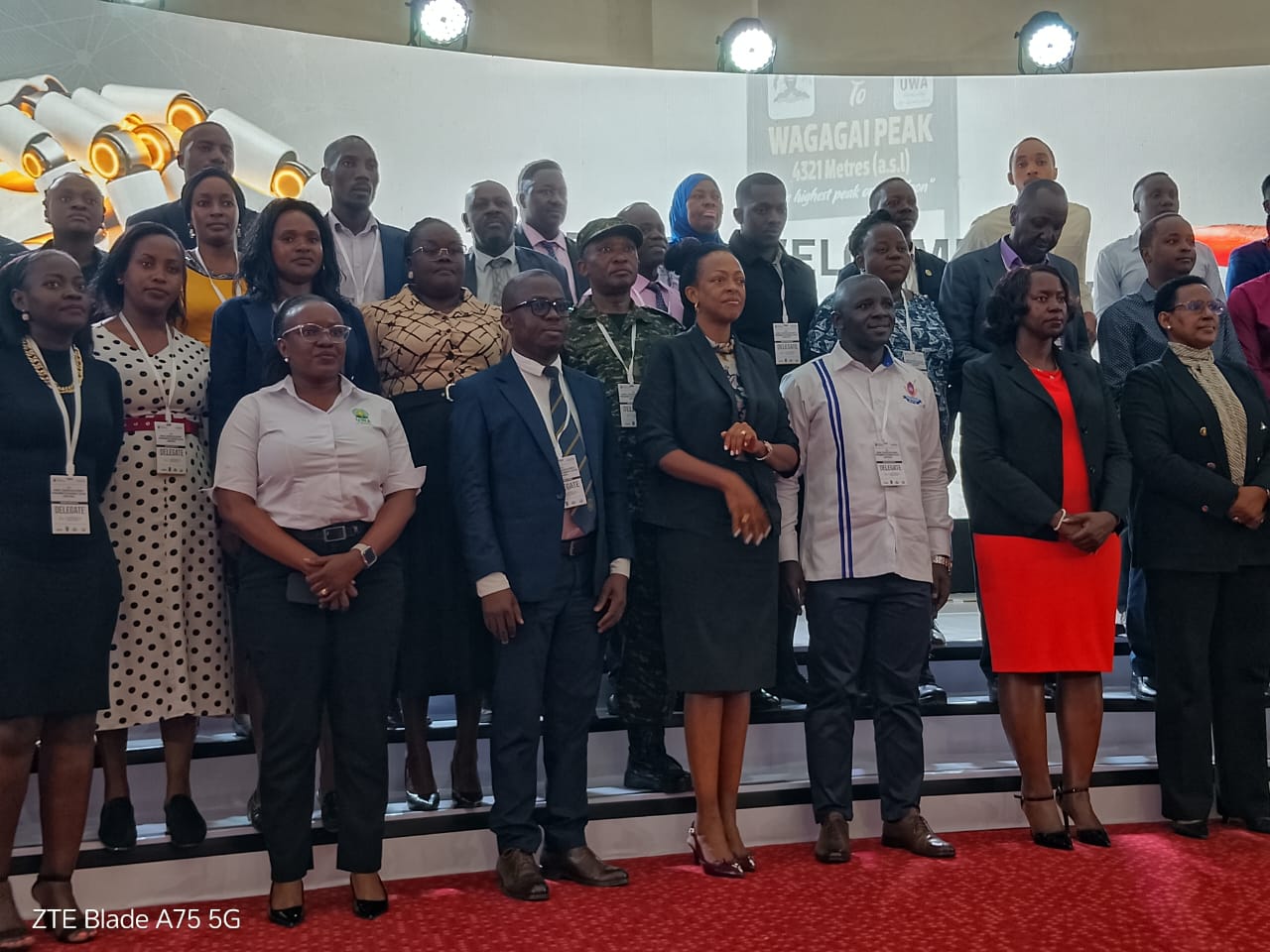
Speaking during a digital economy dialogue organised by the Federation of Small and Medium-Sized Enterprises at the Golden Tulip Hotel in Kampala, John Walugembe, the federation’s executive director, said the cost of technology in Uganda remains too high for many business owners.
Walugembe said the government must address the barriers created by high taxes on equipment used for digital work, including smartphones, computers, and other internet-enabled devices.
“Government must accept that the digital economy needs support in terms of cutting the cost of smartphones and reducing taxes that specifically target social media and the internet,” he said. “Every Ugandan should be able to access the internet and the essential equipment that enables digital participation.”
He added that affordable access would open new opportunities for small businesses to market their products, access customers online, and keep pace with global economic trends.
Many SMEs, especially in rural and peri-urban areas of Uganda, still struggle with the cost of smartphones, with many devices priced out of reach for a large section of the population. The cost of internet data in Uganda remains one of the highest in the region, according to various reports.
Another challenge highlighted at the dialogue was the low level of digital competence among small business operators. Many entrepreneurs lack the skills to use basic digital tools, which limits productivity and stifles innovation.
Participants noted that while digital adoption has accelerated in some urban centres, large parts of the country remain digitally excluded. “Digital economy participation is still limited to areas where people are competent in digital usage,” one participant said.
Meanwhile, James Beronda from the Uganda Communications Commission (UCC) said government has introduced measures aimed at bridging the digital gap. These include promoting digital literacy among youth, farmers, women, the elderly and small business owners through different training programmes.
“We are empowering communities with digital skills and are considering partnerships with various local companies to ensure that people can afford internet-enabled gadgets,” Beronda said.
He added that UCC is working with partners to expand digital inclusion and support SMEs to adopt technology.