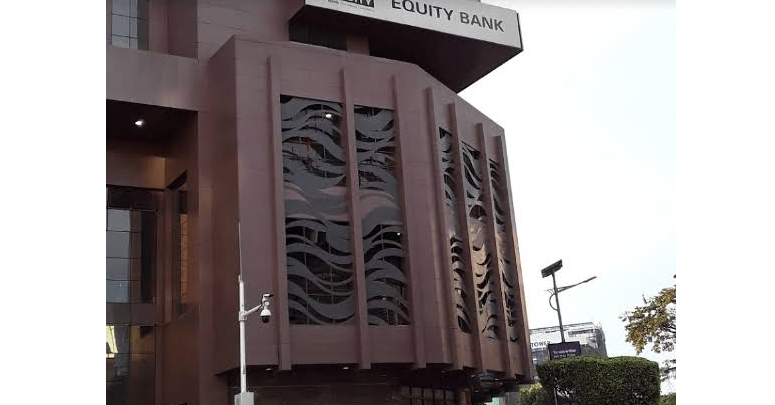
Equity Bank Uganda has urged Ugandans living abroad to move beyond using remittances mainly to meet immediate family needs and invest part of the money in businesses, property and other assets that can generate income.
For years, money sent home by Ugandans in the diaspora has helped families pay school fees, medical bills, build homes and meet other household expenses.
But the bank says part of these earnings can also be used to create long-term wealth and productive assets.
The call was made during an X Space hosted by Equity Bank Uganda on September 30, 2026, under the theme, “From Remitting to Investing: Loan Opportunities for Ugandans in the Diaspora.”
Winfred Warui, Senior Manager for International Banking and Cross-Border Payments at Equity Bank Uganda, said the financial priorities of Ugandans living abroad are changing, with more people looking beyond supporting their families to building wealth in Uganda.
“For several years, the focus has largely been on sending money home for immediate needs such as school fees, hospital bills and education expenses. But we are beginning to see more diaspora customers who want to build, invest and own assets in Uganda,” Warui said.
She said diaspora Ugandans could consider investing in areas such as property, agribusiness, government securities and other interest-bearing investments, depending on their financial goals.

The bank has increasingly positioned its diaspora banking services around investment and wealth creation, including access to investment opportunities and support for customers seeking to participate in Uganda’s economy while living abroad.
Bob Paul Lusembo, Segment Head of Micro Business at Equity Bank, said the main challenge for many diaspora earners is finding a balance between meeting family obligations and building productive assets.
“Much of the money sent home is used for consumption and immediate needs. We want to help customers consider how some of their earnings can be used to build wealth and create productive assets,” Lusembo said.
He said family responsibilities can make it difficult for people abroad to save consistently for investment, but encouraged them to set aside part of their income for assets that can generate future earnings.
Lusembo identified several areas where diaspora investors could put their money, including clothing, food processing and distribution, retail, transport and logistics, equipment hire, hospitality and specialised services.
He said agriculture also offers opportunities beyond farming, including production, storage, processing, packaging and distribution.
“The right entry point depends on what you can afford and where there is demand,” Lusembo said.
Property, he added, remains another option, with investors able to consider land, rental units, shops, offices and warehouses depending on their resources and demand in the market.
However, Lusembo warned Ugandans living abroad to carry out thorough due diligence before investing, particularly when buying land from outside the country.
He said diaspora investors should not assume that every opportunity presented to them by relatives, agents or other intermediaries is genuine, especially when they are unable to personally inspect the property or business.
He also encouraged investors to consider financing productive assets for businesses they already understand rather than always starting new ventures.
Such investments could include vehicles, motorcycles, machinery and other equipment used in transport or other income-generating activities.
Warui said financial literacy was important in helping diaspora customers make the transition from consumption to investment.
“It starts with information and financial literacy,” she said.
She said Equity Bank offers relationship management, wealth and investment services to help customers living abroad understand available opportunities and make decisions based on their financial goals.
The bank has also highlighted products and services that allow diaspora customers to participate in investments in Uganda, including government securities and financing solutions linked to property and business development.
The officials said the broader objective is to encourage a change in how diaspora earnings are viewed, from money meant mainly for immediate consumption to capital that can support long-term wealth creation.
“The mindset we are encouraging is a shift from consumption to investment, from investment to wealth creation, and from short-term gains to strategic assets and a lasting legacy,” Lusembo said.
For Ugandans who have spent years working abroad, the bank says such investments could provide a foundation for returning home to an established business, income-generating property or other assets that can support their families in the future.
Warui said investment opportunities should not necessarily be limited to Uganda, adding that Ugandans in the diaspora could also consider opportunities in other East African markets, depending on their individual financial circumstances and investment objectives.