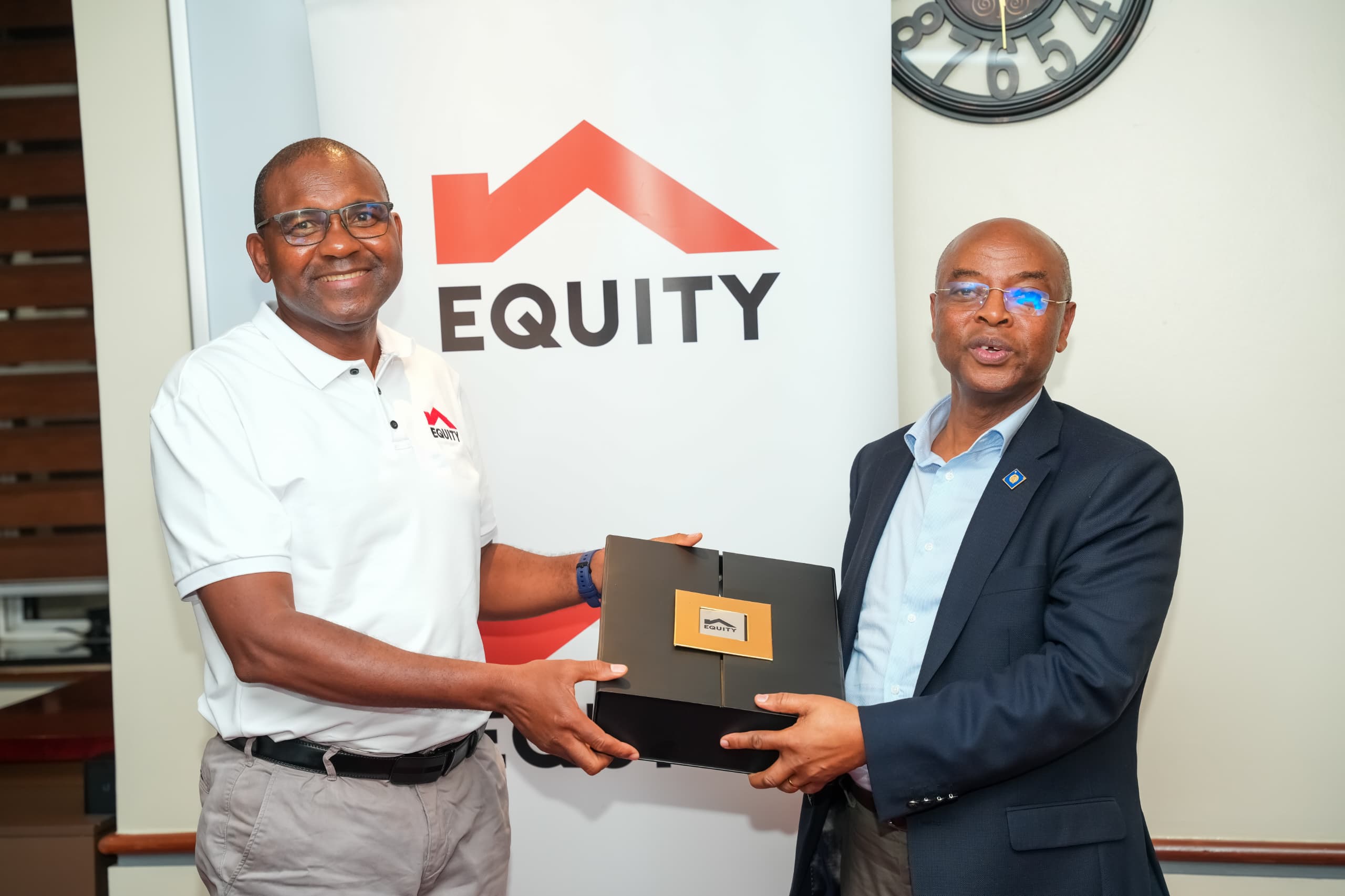
The deputy governor of the Bank of Uganda Prof Augustus Nuwagaba, has urged Ugandans living abroad to play a bigger role in the country’s economic transformation by turning remittances into long-term investments.
Speaking during Equity Bank Uganda’s 2026 Diaspora Webinar, Nuwagaba said the diaspora should take ownership of Uganda’s economic story and demonstrate its contribution to national development.
Quoting an African proverb, he said: “Until the lion learns how to tell its story, the story of the hunt will always glorify the hunter.”
The webinar was held on August 1, 2026 under the theme: From Remittances to Investment Capital: Unlocking Diaspora Wealth for Uganda’s Economic Transformation.
It brought together Ugandans living in Europe, North America, the Middle East, Asia, Australia and East Africa, alongside senior government officials and Bank of Uganda representatives.
Nuwagaba revealed that the central bank is developing new initiatives to expand investment opportunities for Ugandans abroad.
Among them is a proposed Diaspora Bond, which is expected to provide a secure investment option while helping to finance national development projects.
He also encouraged Ugandans abroad to invest collectively in major infrastructure projects, especially energy generation.
The deputy governor advised diaspora investors to focus on businesses and sectors they understand well and which do not require constant physical supervision.
He identified selected real estate investments, financial technology, digital infrastructure and payment systems as some of the sectors with strong potential.
“If you wash your hands clean, you eat with kings. I call on the diaspora to take ownership of Uganda’s growth journey and help shape a stronger economic future,” he said.
Joseph Enyimu, the commissioner for Economic Development Policy and Research at the Ministry of Finance, said Uganda is pursuing its ambition of building a $500 billion economy driven by innovation, industrialisation and a knowledge-based economy.
He highlighted investment opportunities under the government’s ATMS framework, which covers Agro-industry, Tourism, Minerals, Oil and Gas, Science, Technology, Innovation, ICT and the Creative Industry.
Equity Bank Uganda Managing Director Gift Shoko thanked the bank’s diaspora customers for their continued support throughout 2025 and 2026.
He said the webinar was created not only to appreciate customers but also to receive feedback on how the bank can better serve Ugandans living abroad.
“As Equity, we are a caring and listening partner. This webinar is one of the platforms we have created to engage Ugandans in the diaspora wherever they are. Our goal is to support you not only in sending money home but also in investing in Uganda and contributing to the country’s long-term transformation,” Shoko said.
He said Equity Bank Uganda now serves more than 2.1 million customers through a network of 50 branches, nearly 10,000 banking agents and thousands of merchants across the country.
Winfred Wanjiru, the bank’s senior manager for International Banking and Cross Border Payments, presented Equity Bank’s financial solutions for Ugandans abroad.
She said these include digital banking services, Visa debit cards, property and construction financing, equity release facilities, a 24-hour contact centre and dedicated Diaspora Relationship Managers.
Tim Mugerwa of the Uganda Nurses and Midwives Association UK said his organisation’s partnership with Equity Bank has grown from basic banking services to broader financial and investment support.
He said the association is exploring wealth management products such as Treasury Bills, Government Bonds and Unit Trusts.
Mugerwa also highlighted a joint social responsibility initiative that is supporting the establishment of a Mental Health Rehabilitation Unit in partnership with the Uganda Police Force.
In his closing remarks, Shoko reaffirmed Equity Bank’s commitment to serving Ugandans living abroad.
He said the bank has made significant progress since its previous diaspora webinar in March 2025.
Among the achievements, he cited improved access to national identity card services through collaboration with the National Identification and Registration Authority (NIRA), lower remittance costs that have fallen from about 13% to around 9%, wider financial inclusion in the Middle East and stronger confidence among diaspora customers.
Shoko said Equity Bank remains committed to connecting Ugandans abroad with investment opportunities at home through secure remittance services, tailored financing solutions and dedicated customer support.
The bank encouraged diaspora customers seeking further information or assistance to contact its diaspora banking team through Ugandans.Abroad@equitybank.co.ug.