Kampala Capital City Authority (KCCA) has finalised plans to strengthen waste management across the five divisions of Kampala as it seeks to improve cleanliness in the city.
The initiative will cover Makindye, Kawempe, Central, Nakawa and Lubaga divisions.
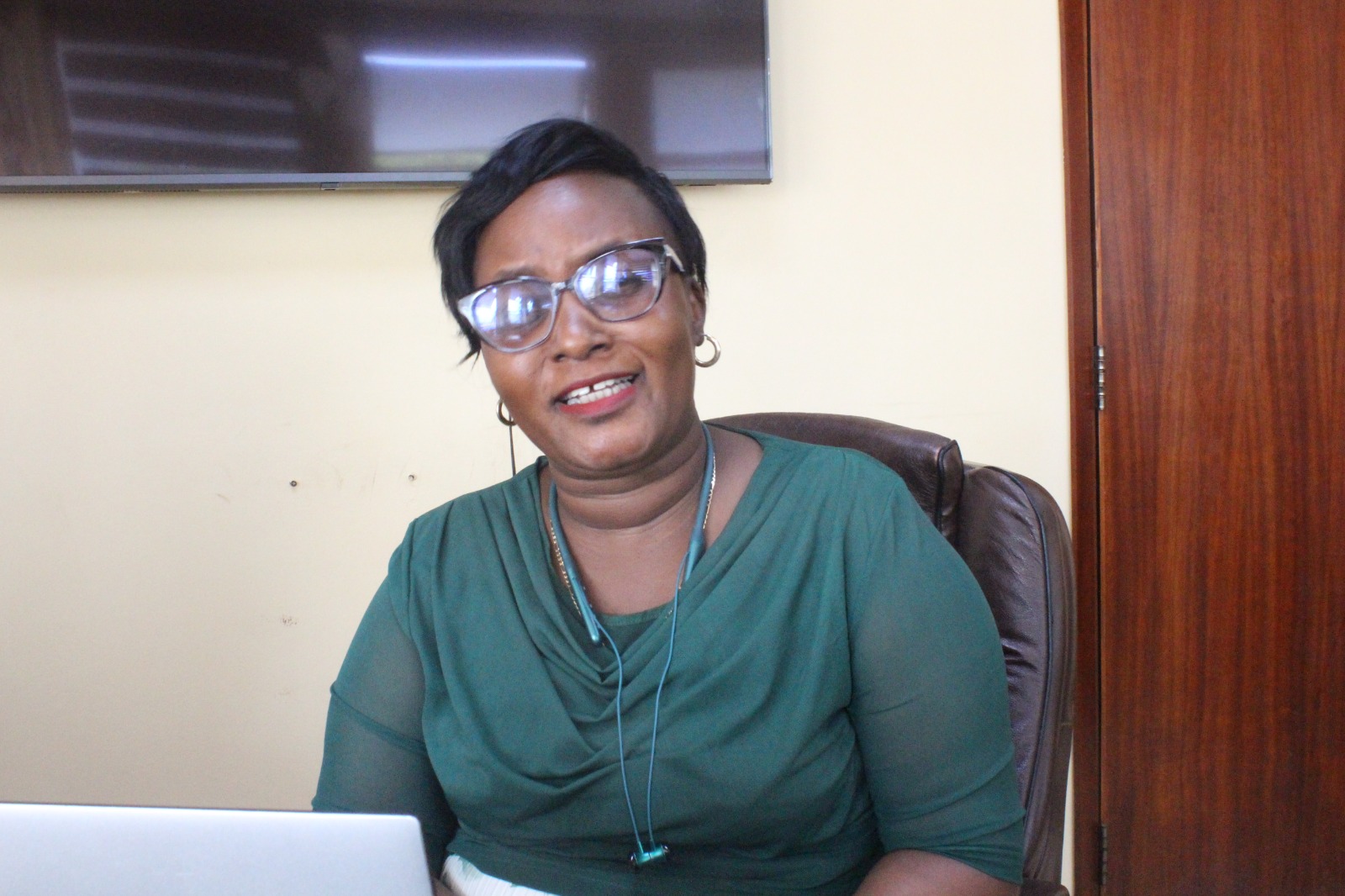
Speaking during an interview with Bbeg Media, the KCCA director of Public Health and Environment, Dr Sarah Zalwango, said the authority had made significant progress in preparing a new waste management system following the closure of the Kiteezi landfill.
Zalwango thanked the government for allocating Shs25 billion to support waste management activities.
“I want to commend the government for allocating Shs25 billion for waste management. I believe this funding will help us make Kampala a cleaner and better city,” she said.
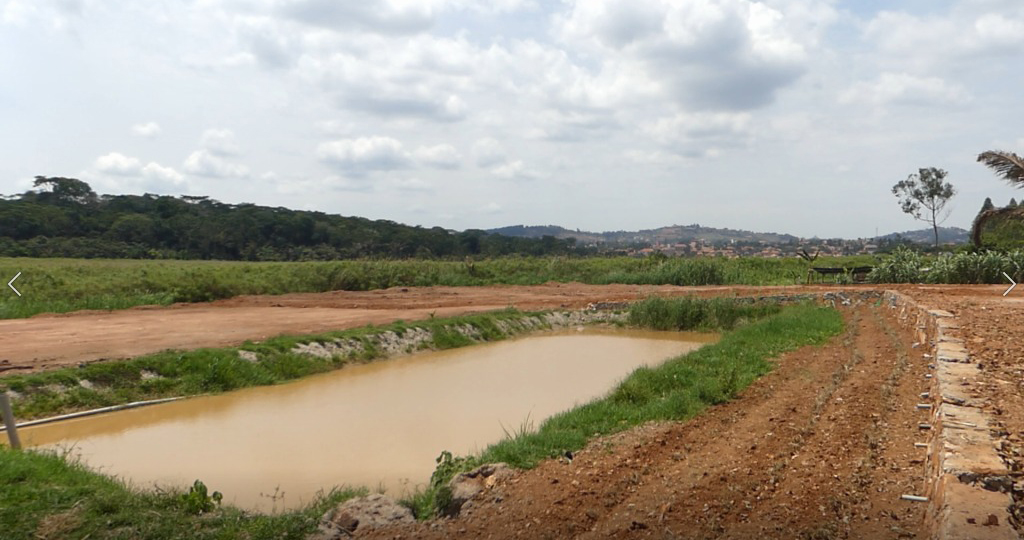
She revealed that KCCA has already advertised for companies interested in managing the Buyala landfill, which has replaced the former Kiteezi dumping site.
According to Zalwango, the authority is also stepping up public awareness campaigns to encourage residents to manage waste responsibly.
She said households will be encouraged to separate biodegradable waste from non-biodegradable waste, keep garbage in proper bins before collection, regularly empty pit latrines and septic tanks, and ensure drainage channels are properly desilted to prevent flooding.
Zalwango said public education will remain KCCA’s first approach before taking enforcement action against residents who fail to comply with waste management guidelines.
She urged Kampala residents to work closely with the authority by adopting proper waste disposal practices, saying keeping the city clean is a shared responsibility.
Zalwango urged residents to embrace the Bring to Truck campaign, saying it will help make garbage collection more effective for both KCCA and city residents.
She also welcomed the recent launch of the mandatory nationwide clean-up campaign, saying it complements KCCA’s Weyonje initiative. She said the two programmes share the same goal of improving sanitation and reducing the risk of diseases caused by poor waste management.
“Weyonje is part of us. Before you prepare food, you first wash your hands. In the same way, this nationwide clean-up campaign will strengthen the Weyonje initiative that we already started,” Zalwango said.