The 2026 Corporate Games have officially been launched, with at least 50 companies already confirming their participation.
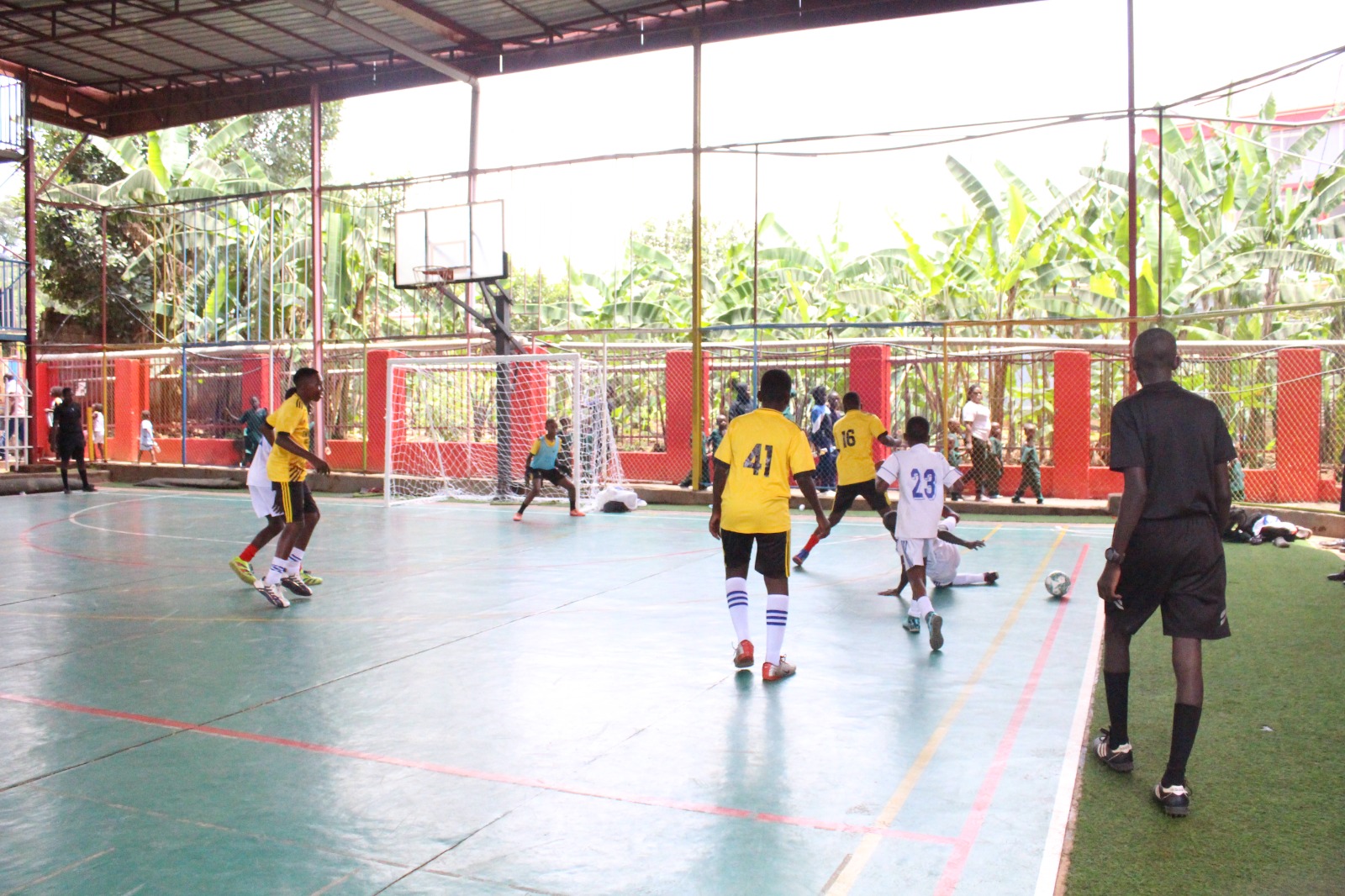
This year’s edition will begin on March 15 at ISBAT University in Kampala. A total of 19 sports disciplines will be contested, including swimming, soccer, netball and volleyball.
A marathon will be held separately on October 11 and will mark the climax of the games.
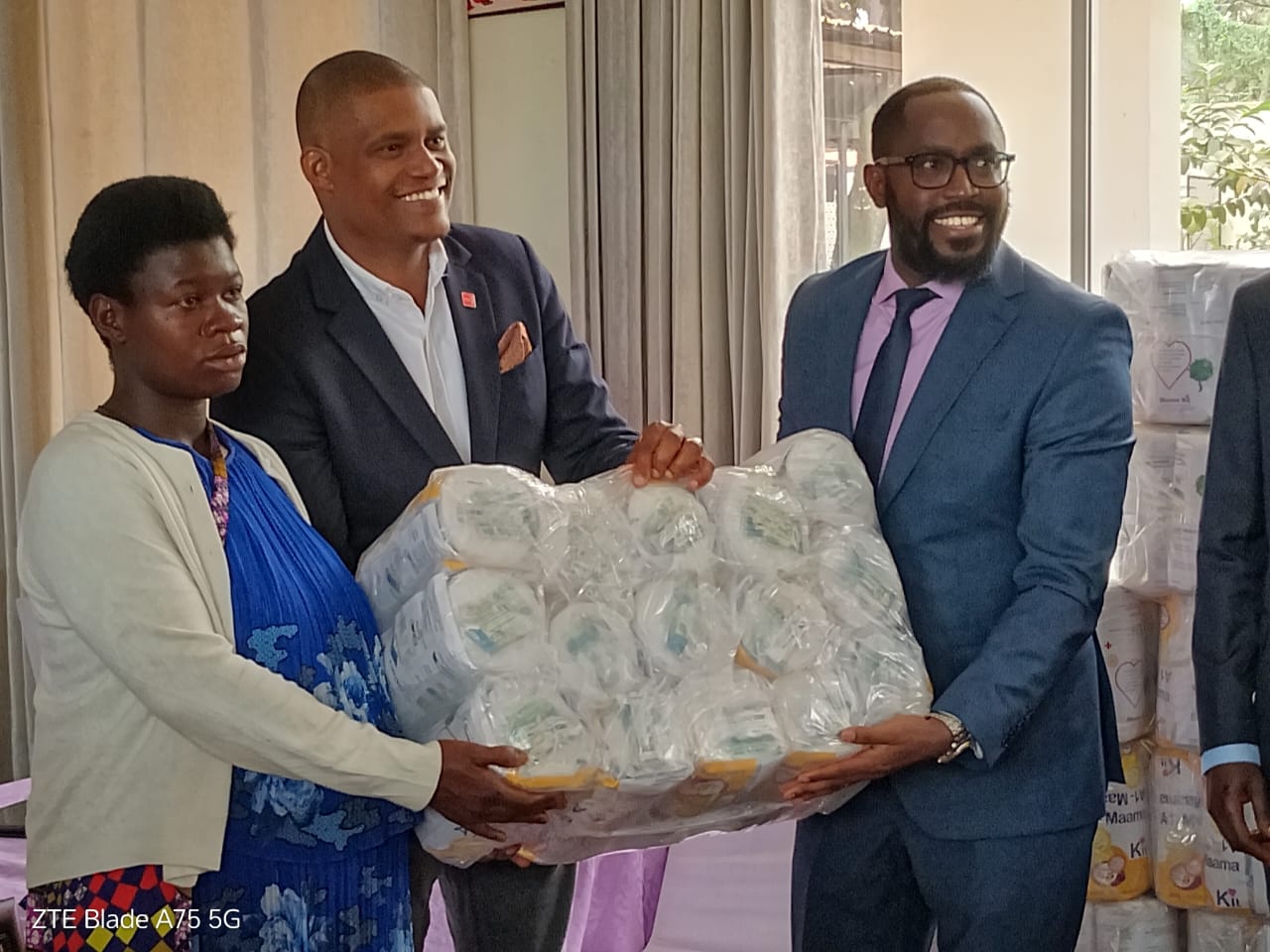
Proceeds from the marathon will be channelled towards supporting health facilities with mama kits, which are essential supplies given to expectant mothers during childbirth.
Speaking at the launch, the chairman of the Corporate Games, Ian Rumanyika, said the annual marathon is dedicated to supporting remote health facilities.
“Every year, the money raised from the Corporate Marathon goes strictly towards supporting remote-based health facilities. Last year, the funds enabled us to purchase 1,000 mama kits,” Rumanyika said.
He added that the mama kits have officially been handed over to Onyama Health Centre II in Gulu District and Nawandala Health Centre III in Iganga.
“Our main objective is to ensure that expectant mothers are saved from the difficult situations they go through due to lack of essential supplies. Maternal health is key, yet many of these facilities have insufficient mama kits,” he said.
Rumanyika noted that beyond competition, the Corporate Games provide a platform for workers from different companies to interact and learn from one another.
“These games bring together employees from various organisations. They help them associate, network and also keep physically fit, especially given that many workers spend long hours in offices,” he said.
Representatives of participating companies pledged continued support for the initiative, saying it promotes employee wellness and teamwork.
Meanwhile, the representative of Nawandala Health Centre III, Jennifer Naigaga, said inadequate mama kits remain one of the biggest challenges facing the facility.
She revealed that the health centre handles an average of 2,000 deliveries every year.
“We receive about 2,000 women who give birth here annually. The demand for mama kits is very high,” Naigaga said, while applauding companies that support the initiative through their corporate social responsibility programmes.